

When it comes to choosing a mineral wool sandwich panel, there are several key factors you should consider. As a supplier of mineral wool sandwich panels, I've seen firsthand the importance of making an informed decision. So, let's dive into what you need to keep in mind.
Thermal Insulation
One of the primary reasons people opt for mineral wool sandwich panels is their excellent thermal insulation properties. Good insulation helps in maintaining a comfortable temperature inside a building, whether it's a commercial warehouse, an industrial facility, or a residential structure. When choosing a panel, look at its thermal conductivity rating, usually denoted as 'k - value'. A lower k - value means better insulation. For example, if you're building a cold storage facility, you'll need a panel with a very low k - value to keep the cold in and the heat out. Our Fire Resistance Rock Wool Mineral Wool Sandwich Panel is designed to offer top - notch thermal insulation, making it suitable for a variety of applications where temperature control is crucial.
Fire Resistance
Fire safety is a major concern in any building. Mineral wool is known for its outstanding fire - resistant properties. It can withstand high temperatures without melting or burning, which can prevent the spread of fire in case of an emergency. When selecting a mineral wool sandwich panel, check its fire rating. Panels are often classified according to international fire safety standards. Our Fire Rated Rock Wool Sandwich Panel Mineral Wool with PIR Side Sealing meets strict fire safety requirements, providing an extra layer of protection for your building. The PIR side - sealing also enhances the overall performance of the panel in terms of fire and insulation.
Structural Strength
The structural strength of the sandwich panel is essential, especially if it's going to be used in load - bearing applications. Consider the thickness of the panel and the type of facing materials. Thicker panels generally offer more strength, but you also need to ensure that the facing materials are durable. For example, metal facings are common because they are strong and can resist wear and tear. If you're using the panels for a large - scale industrial building, you'll need panels that can support the weight of the roof and any additional equipment. Make sure to consult with an engineer to determine the appropriate panel specifications for your project.
Moisture Resistance
Moisture can cause a lot of problems, such as mold growth, corrosion, and reduced insulation performance. Mineral wool itself is relatively resistant to moisture, but the overall moisture resistance of the sandwich panel depends on its construction. Look for panels with proper sealing and moisture - resistant facings. Some panels are coated with special materials to prevent water penetration. If your building is located in a humid area or if it will be exposed to water regularly, like in a food processing plant, moisture resistance becomes even more critical. Our panels are designed to handle different moisture conditions, ensuring long - term performance.
Sound Insulation
In some buildings, such as offices, schools, or hospitals, sound insulation is important to create a quiet and comfortable environment. Mineral wool sandwich panels can help reduce noise transmission. When choosing a panel for sound insulation, consider its sound absorption coefficient. Higher coefficients mean better sound - blocking capabilities. Our panels can be customized to meet different sound insulation requirements, allowing you to create a peaceful space inside your building.
Cost - Effectiveness
Of course, cost is always a factor when making a purchase. While it's important not to compromise on quality, you also want to get the best value for your money. Compare the prices of different mineral wool sandwich panels, but also consider the long - term costs. A higher - quality panel may cost more upfront but can save you money in the long run due to its better performance and durability. Look for a supplier who offers a good balance between price and quality. As a supplier, we strive to provide cost - effective solutions without sacrificing on the key features of the panels.

Installation
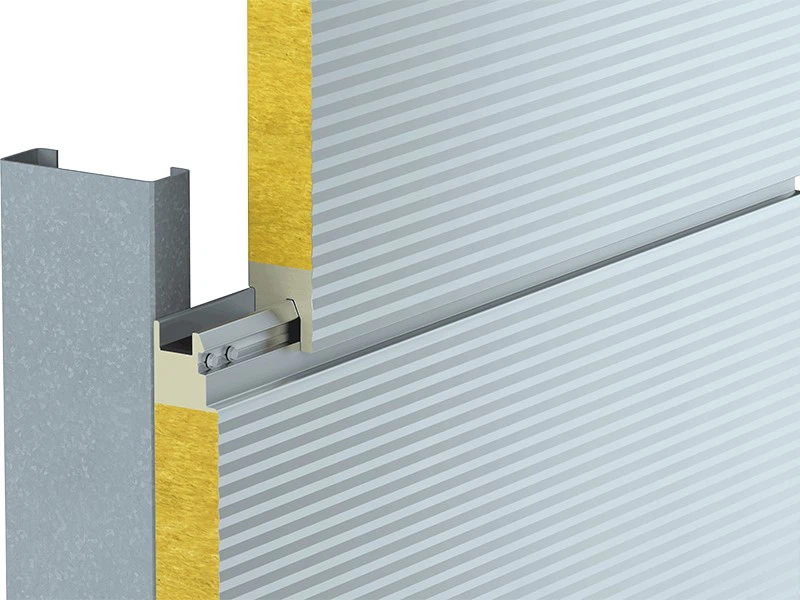
The ease of installation can also impact your decision. Some panels are designed for quick and easy installation, which can save you time and labor costs. Consider the panel's size, weight, and the type of installation system required. Some panels come with a simple interlocking system that makes them easy to assemble. If you're planning a DIY project or if you have a tight construction schedule, easy - to - install panels are a great choice.
Environmental Impact
In today's world, environmental considerations are becoming increasingly important. Mineral wool is a relatively sustainable material because it is made from natural minerals and can be recycled. When choosing a panel, look for products that are environmentally friendly. Some manufacturers use recycled materials in the production of the facing or the core of the panel. By choosing an eco - friendly panel, you can contribute to a greener building project.
Customization
Every building project is unique, and you may need panels that are customized to fit your specific requirements. A good supplier should be able to offer customization options, such as different sizes, colors, and finishes. Whether you need a panel with a specific shape for an architectural feature or a panel with a particular color to match your building's design, customization can make a big difference. We offer a wide range of customization options to meet the diverse needs of our customers.
Supplier Reputation
Last but not least, consider the reputation of the supplier. A reliable supplier will have a good track record of providing high - quality products and excellent customer service. Look for reviews and testimonials from other customers. You can also ask for references and visit some of the projects where the supplier's panels have been used. A reputable supplier will be able to provide technical support and after - sales service, which is crucial for the success of your project.
In conclusion, choosing the right mineral wool sandwich panel involves considering multiple factors, from thermal and fire resistance to cost - effectiveness and environmental impact. By taking the time to evaluate these aspects, you can make an informed decision that meets the needs of your building project. If you're interested in learning more about our mineral wool sandwich panels or have any questions about which panel is right for you, don't hesitate to reach out. We're here to help you make the best choice for your project.
References
- Building Construction Handbook
- Fire Safety Standards Manual
- Insulation Materials and Their Applications