

PU foam sandwich panels have gained significant popularity in various industries due to their excellent insulation properties, lightweight nature, and ease of installation. As a supplier of PU foam sandwich panels, I often encounter questions regarding their performance in different aspects, especially chemical stability. In this blog post, I will delve into the chemical stability of PU foam sandwich panels, exploring the factors that influence it and how it performs in real - world applications.
Understanding the Composition of PU Foam Sandwich Panels
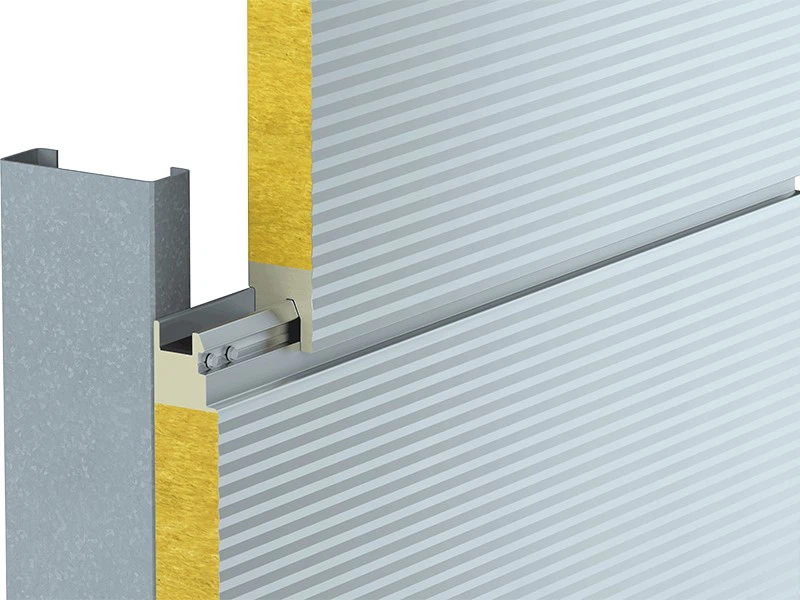
PU foam sandwich panels consist of a core layer made of polyurethane (PU) foam, which is sandwiched between two outer layers. The outer layers can be made of different materials such as metal sheets (e.g., steel or aluminum), fiberglass, or other composite materials. The polyurethane foam core is formed through a chemical reaction between polyols and isocyanates, which creates a cellular structure with low thermal conductivity.
Chemical Stability of the Polyurethane Foam Core
The chemical stability of the polyurethane foam core is crucial as it determines the panel's long - term performance. Polyurethane foam is generally resistant to a wide range of chemicals. It has good resistance to water, which is essential for applications in humid or wet environments. Water can cause degradation in many materials, but the closed - cell structure of PU foam helps to prevent water absorption. This resistance to water penetration not only maintains the insulation properties of the panel but also prevents the growth of mold and mildew, which can compromise the structural integrity of the panel over time.
In addition to water resistance, PU foam also shows good resistance to common organic solvents such as alcohols and some hydrocarbons. However, it is important to note that the degree of resistance can vary depending on the specific formulation of the polyurethane. For example, some highly polar solvents or strong acids and bases can potentially react with the polyurethane foam. Strong acids can break down the chemical bonds in the foam, leading to a loss of mechanical properties and a decrease in insulation performance. Similarly, strong bases can also cause degradation of the foam structure.

Influence of Outer Layers on Chemical Stability
The outer layers of the PU foam sandwich panel play a significant role in protecting the core from chemical exposure. Metal outer layers, such as galvanized steel or aluminum, provide a physical barrier against chemical agents. Galvanized steel has a zinc coating that acts as a sacrificial anode, protecting the steel from corrosion. Aluminum is also naturally resistant to oxidation and many chemicals due to the formation of a thin oxide layer on its surface.
Fiberglass outer layers, on the other hand, offer good chemical resistance in their own right. Fiberglass is inert to many chemicals and can withstand exposure to a wide range of pH levels. It also provides additional mechanical strength to the panel, which can be beneficial in applications where the panel may be subjected to mechanical stress in a chemically - exposed environment.
Real - World Applications and Chemical Stability
In the construction industry, PU foam sandwich panels are widely used for building envelopes. They are exposed to various environmental factors, including rain, snow, and air pollutants. The chemical stability of these panels ensures that they can maintain their performance over long periods. For example, in coastal areas where the air contains salt particles, the outer metal layers of the panel protect the core from the corrosive effects of saltwater spray.
In the industrial sector, PU foam sandwich panels are used in factories and warehouses. They may be exposed to industrial chemicals such as cleaning agents, lubricants, and solvents. The chemical stability of the panels allows them to resist the effects of these chemicals, ensuring a safe and long - lasting working environment.
Comparing with Other Sandwich Panel Types
When comparing PU foam sandwich panels with other types of sandwich panels, such as Glass Wool Sandwich Panel for Wall and Fire Resistance Rock Wool Mineral Wool Sandwich Panel, the chemical stability of PU foam sandwich panels has its own advantages. Glass wool and rock wool panels are more porous than PU foam panels, which means they are more prone to water absorption. Water absorption can lead to a decrease in insulation performance and can also cause the growth of mold and mildew.
However, Fire Resistance Rock Wool Mineral Wool Sandwich Panel has excellent fire resistance, which may be a more critical factor in some applications. The choice between different types of sandwich panels depends on the specific requirements of the project, including chemical exposure, fire safety, and insulation needs.
Factors Affecting Long - Term Chemical Stability
Several factors can affect the long - term chemical stability of PU foam sandwich panels. Temperature is an important factor. High temperatures can accelerate chemical reactions, potentially increasing the rate of degradation of the panel. For example, in applications where the panel is exposed to direct sunlight for long periods, the elevated temperature can cause the outer layers to expand and contract, which may lead to micro - cracks. These micro - cracks can then allow chemicals to penetrate the panel and reach the core.
UV radiation is another factor that can impact chemical stability. Prolonged exposure to UV rays can cause the outer layers of the panel to degrade. For metal outer layers, UV radiation can cause the paint or coating to fade and peel, exposing the metal to chemical agents. For non - metallic outer layers, UV radiation can break down the polymer chains, leading to a loss of mechanical properties.
Ensuring Chemical Stability in Different Environments
To ensure the chemical stability of PU foam sandwich panels in different environments, proper installation and maintenance are essential. During installation, it is important to ensure that the panels are properly sealed to prevent the ingress of chemicals. Sealing materials should be compatible with the panel materials to avoid any chemical reactions.
Regular maintenance, such as cleaning the panels with appropriate cleaning agents, can also help to maintain their chemical stability. Using mild, non - abrasive cleaning agents can remove dirt and chemical residues without damaging the panel. It is also important to inspect the panels regularly for any signs of damage or degradation, such as cracks, discoloration, or loss of insulation performance.
Conclusion
In conclusion, PU foam sandwich panels generally exhibit good chemical stability. The polyurethane foam core has inherent resistance to water and many common chemicals, and the outer layers provide additional protection. However, their performance can be affected by factors such as temperature, UV radiation, and exposure to strong chemicals. When compared to other types of sandwich panels, such as Glass Wool Sandwich Panel for Wall and Fire Resistance Rock Wool Mineral Wool Sandwich Panel, PU foam sandwich panels have unique advantages in terms of chemical stability and insulation properties.
If you are considering using Insulated Metal PIR PU Foam Sandwich Panel for your project, and you have specific requirements regarding chemical stability, I encourage you to contact us for more detailed information. Our team of experts can provide you with customized solutions based on your project's needs. Let's start a discussion to find the best PU foam sandwich panel for your application.
References
- "Polyurethane Foams: Chemistry, Technology, and Applications" by Oertel, G.
- "Handbook of Sandwich Structures" by Zenkert, D.
- Research papers on the chemical resistance of building materials in construction industry journals.