

Wall sandwich panels have gained significant popularity in the construction industry due to their versatility, ease of installation, and numerous advantages. As a supplier of wall sandwich panels, one of the most common questions I encounter is whether these panels are suitable for cold climates. In this blog post, I will delve into the various aspects of wall sandwich panels to determine their suitability for cold regions.
Insulation Properties
One of the key factors in determining the suitability of wall sandwich panels for cold climates is their insulation properties. Sandwich panels typically consist of two outer layers (facings) and a core material. The core material plays a crucial role in providing insulation. There are several types of core materials available, each with its own insulation characteristics.
- Glass Wool Sandwich Panel for Wall: Glass wool is a popular choice for insulation in wall sandwich panels. It is made from fine glass fibers and offers excellent thermal insulation properties. Glass wool panels can effectively reduce heat transfer, keeping the interior of a building warm in cold climates. The Glass Wool Sandwich Panel for Wall provided by our company is designed to have a high insulation value, which helps to minimize energy consumption for heating purposes.
- Insulated Metal PIR PU Foam Sandwich Panel: Polyisocyanurate (PIR) and polyurethane (PU) foam cores are known for their superior insulation performance. These foam materials have a low thermal conductivity, which means they can prevent heat from escaping the building in cold weather. The Insulated Metal PIR PU Foam Sandwich Panel is a high - quality option that provides excellent insulation, making it highly suitable for cold climates. The closed - cell structure of the foam also helps to resist moisture penetration, which is crucial in areas where humidity and condensation can be a problem.
- Fire Resistance Rock Wool Mineral Wool Sandwich Panel: Rock wool and mineral wool are natural and sustainable insulation materials. They offer good thermal insulation as well as fire resistance. These materials can withstand high temperatures and prevent the spread of fire. In cold climates, the Fire Resistance Rock Wool Mineral Wool Sandwich Panel can provide a stable indoor temperature by reducing heat loss through the walls. Their ability to resist fire is an added advantage in areas where safety is a concern.
Structural Integrity in Cold Conditions
In cold climates, the structural integrity of building materials is crucial. Wall sandwich panels are designed to be strong and durable. The outer facings, which are often made of metal or other robust materials, provide protection against harsh weather conditions, including snow, ice, and strong winds.
The core materials also contribute to the panel's overall strength. For example, PIR/PU foam - cored panels have a rigid structure that can withstand the weight of snow on the roof (in the case of roofing panels) and the pressure exerted by strong winds. Glass wool and rock wool - cored panels, although less rigid than foam - cored ones, still provide sufficient support and stability when properly installed.
To ensure long - term structural integrity, it is important to use high - quality fasteners and installation techniques. Our company provides detailed installation guidelines and ensures that all our panels are tested to meet the highest standards of strength and durability in cold conditions.
Moisture Resistance
Moisture can be a major issue in cold climates, as it can lead to mold growth, rotting of materials, and reduced insulation performance. Wall sandwich panels have varying degrees of moisture resistance depending on the core material and the outer facings.
PIR/PU foam - cored panels have a relatively high moisture resistance due to their closed - cell structure. This structure prevents water vapor from penetrating the panel and causing damage. Glass wool and rock wool panels, on the other hand, can absorb moisture if not properly protected. However, when used with appropriate moisture barriers and good ventilation, these panels can also perform well in moist cold environments.
Our company takes moisture resistance into account during the manufacturing process. We use protective coatings on the outer facings and offer panels with built - in moisture - resistant features to ensure that our products can withstand the challenges of cold and damp climates.
Energy Efficiency
Energy efficiency is a major concern in cold climates, where heating costs can be high. Wall sandwich panels can significantly improve the energy efficiency of a building. By reducing heat loss through the walls, these panels can lower the amount of energy required for heating.
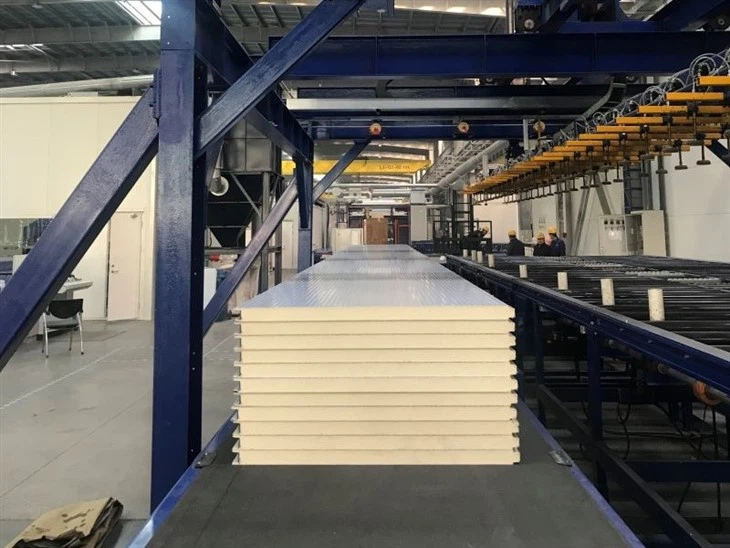
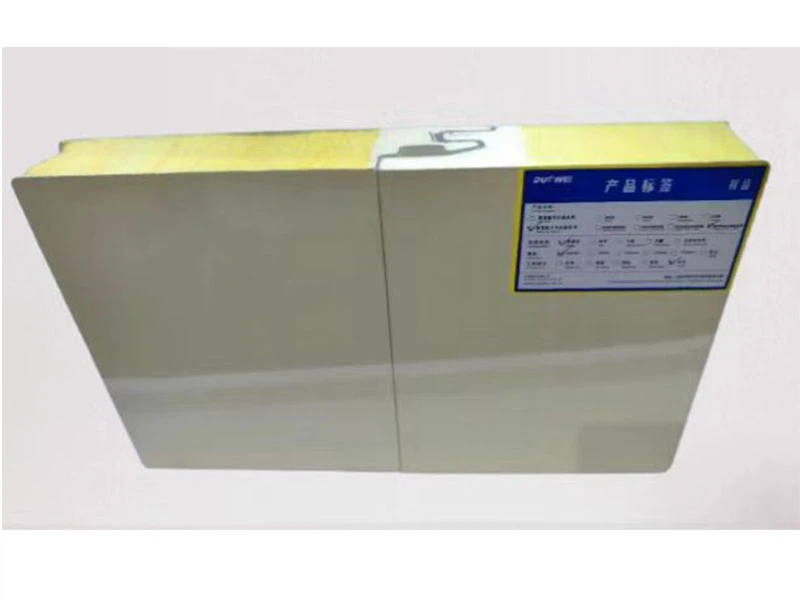
The insulation properties of the core materials, as mentioned earlier, are the key to energy efficiency. A well - insulated building can maintain a comfortable indoor temperature with less energy consumption. For example, a building with Insulated Metal PIR PU Foam Sandwich Panel walls may require less heating compared to a building with traditional construction materials. This not only reduces energy costs for the building owner but also has a positive environmental impact by reducing carbon emissions.
Installation Considerations in Cold Climates
Installing wall sandwich panels in cold climates requires some special considerations. The cold weather can affect the installation process, and it is important to follow the proper procedures.
In extremely cold temperatures, the adhesive used to bond the facings to the core material may need to be specially formulated or applied in a different way. The panels themselves may become more brittle in cold weather, so care must be taken during handling and installation to prevent damage. Our company provides training and support to ensure that installers are aware of these considerations and can install the panels correctly in cold conditions.
Conclusion
In conclusion, wall sandwich panels can be highly suitable for cold climates. Their excellent insulation properties, structural integrity, moisture resistance, and energy - efficiency benefits make them a great choice for buildings in cold regions. Whether you choose Glass Wool Sandwich Panel for Wall, Insulated Metal PIR PU Foam Sandwich Panel, or Fire Resistance Rock Wool Mineral Wool Sandwich Panel, our company offers high - quality products that are designed to meet the specific needs of cold - climate construction.
If you are considering using wall sandwich panels for a project in a cold climate, I encourage you to contact us for more details. Our team of experts can provide you with professional advice on the best panel type, installation methods, and overall cost - effectiveness. We are committed to providing you with the best solutions for your construction needs.
References
- Building Science Institute. "Insulation and Energy Efficiency in Cold Climates."
- Technical documents on sandwich panel manufacturing and performance standards from industry organizations.
- Research papers on the use of different core materials in wall sandwich panels for cold - climate applications.