

Hey there! As a supplier of sandwich panel mineral wool, I often get asked about its insect - resistance. So, let's dive right into it and explore what makes sandwich panel mineral wool resistant to those pesky insects.
First off, let's understand what sandwich panel mineral wool is. It's a type of insulation material that consists of a core made of mineral wool, sandwiched between two outer layers, usually made of metal or other materials. Mineral wool is produced from natural minerals like basalt or diabase, which are melted and spun into fibers. This unique composition gives sandwich panel mineral wool several beneficial properties, and insect - resistance is one of them.
One of the main reasons why sandwich panel mineral wool is insect - resistant is its chemical composition. Insects are attracted to materials that can serve as a food source or a good place to build their nests. Mineral wool is made from inorganic materials, which means it doesn't provide the nutrients that insects need to survive and reproduce. Unlike wood or some organic insulation materials, there's nothing in mineral wool for insects to munch on. So, they're not likely to set up camp in your sandwich panel mineral wool.
Another factor contributing to its insect - resistance is the physical structure of mineral wool. The fibers in mineral wool are densely packed, creating a barrier that's difficult for insects to penetrate. Insects like termites, for example, are known for their ability to chew through wood and other soft materials. But the tough, fibrous nature of mineral wool makes it a challenge for them to bore through. This physical barrier helps keep insects out and protects the integrity of the sandwich panel.
The environment within the sandwich panel also plays a role. Insects thrive in warm, moist conditions. Mineral wool has excellent moisture - resistant properties. It can absorb and release moisture without getting saturated, which helps maintain a dry environment inside the panel. Since insects don't like dry conditions, they're less likely to be attracted to sandwich panel mineral wool.
Now, let's talk about the practical applications of this insect - resistance. In the construction industry, using sandwich panel mineral wool can save a lot of headaches. For instance, in residential buildings, it ensures that your home remains free from insect infestations that could damage the structure over time. In commercial buildings, such as warehouses or factories, insect - resistant insulation is crucial to protect stored goods and equipment.
If you're in the market for sandwich panel mineral wool, we offer a variety of options. Check out our Glass Wool Sandwich Panel for Wall. It's a great choice for wall insulation and provides excellent insect - resistance along with other benefits like good thermal insulation.

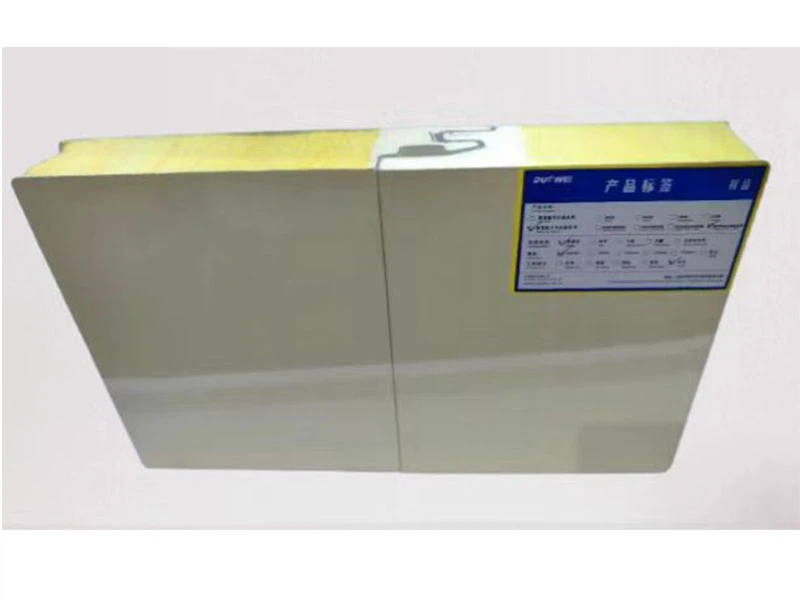
Our Fire Resistance Rock Wool Mineral Wool Sandwich Panel is another top - notch product. Not only is it highly resistant to insects, but it also has outstanding fire - resistant properties, making it suitable for a wide range of applications where fire safety is a concern.
And if you're looking for something with different insulation characteristics, our Insulated Metal PIR PU Foam Sandwich Panel is worth considering. While it's a bit different from mineral wool, it also offers good protection against insects and provides excellent thermal insulation.
In conclusion, the insect - resistance of sandwich panel mineral wool is a valuable feature that comes from its chemical composition, physical structure, and moisture - resistant properties. Whether you're building a new home, a commercial complex, or an industrial facility, using sandwich panel mineral wool can give you peace of mind knowing that your building is protected from insect damage.
If you're interested in learning more about our sandwich panel mineral wool products or have any questions about their insect - resistance, don't hesitate to reach out. We're here to help you make the right choice for your construction project.
References:
- Building Insulation Handbook: This handbook provides in - depth information on different insulation materials, including mineral wool and their properties.
- Journal of Construction Materials: Articles in this journal often cover the latest research on the performance of construction materials, including their resistance to pests.