

What is the fire rating of a PU foam sandwich panel?
As a supplier of PU foam sandwich panels, I often encounter inquiries regarding the fire rating of these products. Understanding the fire rating is crucial for customers, especially when it comes to applications where fire safety is a top priority. In this blog post, I'll delve into the details of the fire rating of PU foam sandwich panels, explaining what it means, how it's determined, and its significance in various industries.
What is a Fire Rating?
A fire rating is a standardized measure that indicates a material's ability to resist the spread of fire. It provides valuable information about how a product will perform in a fire situation, helping architects, engineers, and building owners make informed decisions about the materials they use. Fire ratings are typically assigned based on specific tests and criteria established by national and international standards organizations.
Fire Rating of PU Foam Sandwich Panels
PU (Polyurethane) foam sandwich panels are widely used in construction due to their excellent insulation properties, lightweight nature, and ease of installation. However, their fire performance can vary depending on several factors, including the type of PU foam used, the thickness of the panel, and the presence of fire-retardant additives.
In general, PU foam sandwich panels can have different fire ratings, ranging from non-combustible to highly combustible. The most common fire ratings for these panels are classified according to the European Standard EN 13501-1, which categorizes building products into different fire classes based on their reaction to fire.
- Class A1 and A2: These are non-combustible materials that do not contribute to the spread of fire. They are typically used in applications where the highest level of fire safety is required, such as in high-rise buildings, hospitals, and schools.
- Class B, C, and D: These materials have limited combustibility and are less likely to contribute to the spread of fire compared to highly combustible materials. They are commonly used in commercial and industrial buildings.
- Class E and F: These are combustible materials that can contribute to the spread of fire. They are generally not recommended for use in areas where fire safety is a major concern.
To achieve a higher fire rating, manufacturers often add fire-retardant additives to the PU foam during the production process. These additives can help reduce the flammability of the foam and slow down the spread of fire. Additionally, the use of fire-resistant facings, such as metal or glass fiber, can further enhance the fire performance of the sandwich panel.
Factors Affecting the Fire Rating
Several factors can influence the fire rating of a PU foam sandwich panel. Here are some of the key factors to consider:
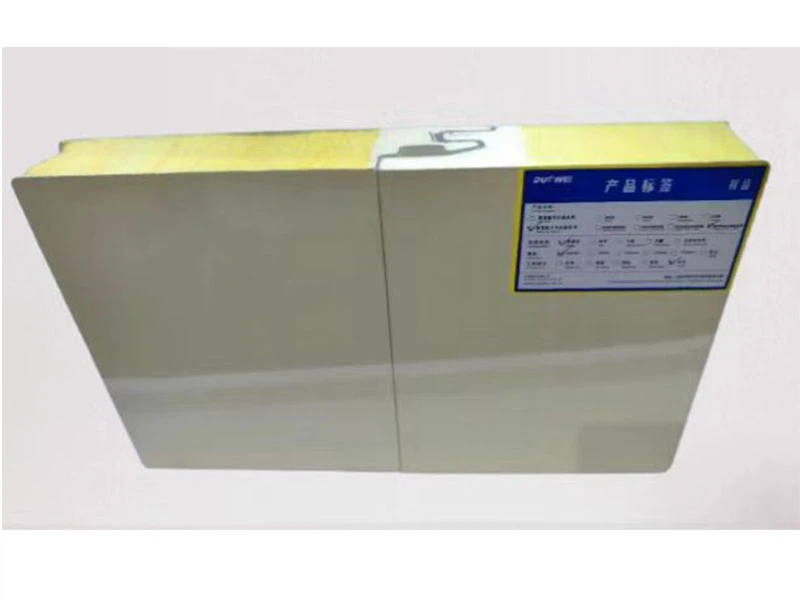

- Type of PU Foam: Different types of PU foam have different fire properties. For example, rigid PU foam is generally more fire-resistant than flexible PU foam.
- Thickness of the Panel: Thicker panels tend to have better fire performance compared to thinner panels. This is because the thicker layer of foam provides more insulation and slows down the spread of fire.
- Fire-Retardant Additives: The addition of fire-retardant additives can significantly improve the fire rating of the panel. These additives work by releasing chemicals that inhibit the combustion process.
- Facing Material: The type of facing material used on the panel can also affect its fire performance. Metal facings, such as steel or aluminum, are more fire-resistant than other materials, such as plastic or wood.
- Installation Method: Proper installation is crucial for ensuring the fire performance of the panel. Panels should be installed according to the manufacturer's instructions to minimize gaps and joints that could allow fire to spread.
Importance of Fire Rating in Different Industries
The fire rating of a PU foam sandwich panel is of utmost importance in various industries, including construction, transportation, and cold storage. Here's why:
- Construction Industry: In the construction industry, fire safety is a top priority. Building codes and regulations often require the use of materials with specific fire ratings to ensure the safety of occupants. PU foam sandwich panels with a high fire rating are commonly used in commercial and industrial buildings, as well as in residential construction.
- Transportation Industry: In the transportation industry, fire safety is also a critical concern. PU foam sandwich panels are used in the construction of trucks, trailers, and trains to provide insulation and reduce weight. However, these panels must meet strict fire safety standards to prevent the spread of fire in the event of an accident.
- Cold Storage Industry: In the cold storage industry, PU foam sandwich panels are widely used to insulate refrigerated rooms and warehouses. These panels must have a high fire rating to prevent the spread of fire and protect the stored goods.
Comparing PU Foam Sandwich Panels with Other Types of Sandwich Panels
When it comes to fire performance, PU foam sandwich panels are not the only option available. Other types of sandwich panels, such as Insulated Metal PIR PU Foam Sandwich Panel, Glass Wool Sandwich Panel for Wall, and Fire Resistance Rock Wool Mineral Wool Sandwich Panel, also offer different fire ratings and performance characteristics.
- Insulated Metal PIR PU Foam Sandwich Panel: PIR (Polyisocyanurate) foam is a type of rigid foam that offers better fire performance than traditional PU foam. Insulated metal PIR PU foam sandwich panels typically have a higher fire rating and are more suitable for applications where fire safety is a major concern.
- Glass Wool Sandwich Panel for Wall: Glass wool is a non-combustible material that offers excellent fire resistance. Glass wool sandwich panels are commonly used in buildings where a high level of fire safety is required, such as in hospitals, schools, and commercial buildings.
- Fire Resistance Rock Wool Mineral Wool Sandwich Panel: Rock wool and mineral wool are also non-combustible materials that offer good fire resistance. Fire resistance rock wool mineral wool sandwich panels are often used in industrial buildings and structures where fire protection is essential.
Conclusion
In conclusion, the fire rating of a PU foam sandwich panel is an important factor to consider when choosing a material for your project. Understanding the fire rating, as well as the factors that affect it, can help you make an informed decision and ensure the safety of your building or structure.
As a supplier of PU foam sandwich panels, we are committed to providing high-quality products with excellent fire performance. Our panels are tested and certified to meet the relevant fire safety standards, giving you peace of mind knowing that you are using a safe and reliable material.
If you have any questions about the fire rating of our PU foam sandwich panels or would like to discuss your specific requirements, please do not hesitate to contact us. We would be happy to assist you with your procurement needs and help you find the right solution for your project.
References
- European Standard EN 13501-1: Classification using test data from reaction to fire tests
- National Fire Protection Association (NFPA) codes and standards
- Manufacturer's product literature and technical data sheets