

As a supplier of mineral wool sandwich panels, I've witnessed firsthand the growing demand for these versatile building materials. One of the key properties that often comes under scrutiny is the airtightness of mineral wool sandwich panels. In this blog, I'll delve into what airtightness means in the context of these panels, its importance, and how it affects the overall performance of a building.
Understanding Airtightness
Airtightness refers to the ability of a building component, in this case, a mineral wool sandwich panel, to prevent the uncontrolled flow of air through its structure. When a building has good airtightness, it means that there are minimal air leaks between the interior and exterior environments. This is crucial because air leakage can have a significant impact on a building's energy efficiency, comfort, and durability.
How Mineral Wool Sandwich Panels Achieve Airtightness
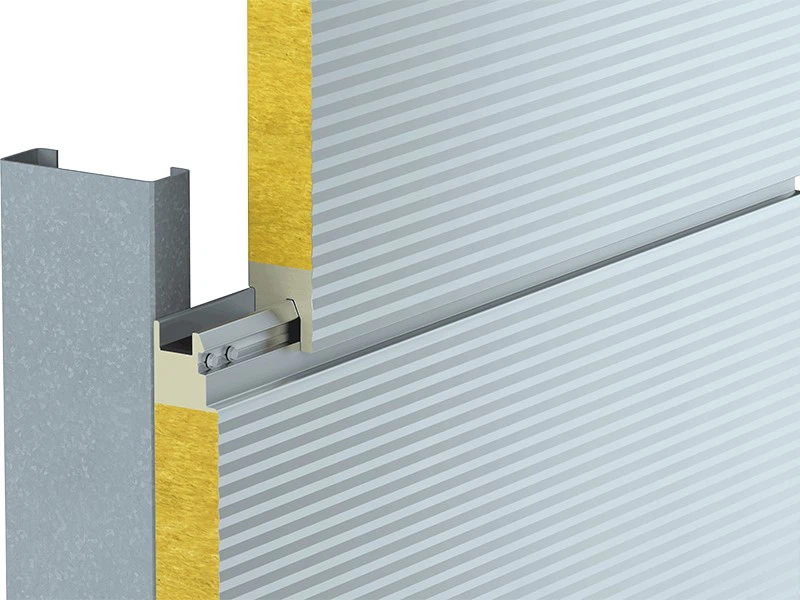
Mineral wool sandwich panels are typically composed of two outer metal sheets and a core of mineral wool insulation. The metal sheets provide a solid barrier against air infiltration, while the mineral wool core adds an extra layer of protection. The manufacturing process of these panels is designed to ensure a tight seal between the components, reducing the chances of air leakage.
The edges of the panels are often designed with special profiles that allow for a secure fit when they are joined together. This interlocking design helps to create a continuous air barrier across the building envelope. Additionally, the use of high - quality sealants and gaskets during installation further enhances the airtightness of the panels.
Importance of Airtightness in Buildings
Energy Efficiency
One of the primary benefits of good airtightness is improved energy efficiency. When a building has air leaks, heated or cooled air can escape, forcing the HVAC system to work harder to maintain a comfortable indoor temperature. This leads to increased energy consumption and higher utility bills. By using mineral wool sandwich panels with high airtightness, buildings can significantly reduce their energy losses, resulting in long - term cost savings.
Comfort
Airtight buildings also offer a more comfortable indoor environment. Drafts caused by air leakage can make a space feel cold and uncomfortable, even when the thermostat is set at a reasonable temperature. With proper airtightness, the indoor temperature remains more stable, and there are fewer cold spots or drafts. This creates a more pleasant living or working environment for the occupants.
Durability
Air leakage can also have a negative impact on the durability of a building. Moisture can be carried in with the infiltrating air, which can lead to condensation inside the building envelope. Condensation can cause damage to building materials, such as corrosion of metal components and mold growth on insulation. By preventing air infiltration, mineral wool sandwich panels help to keep moisture out, protecting the building's structure and extending its lifespan.
Testing the Airtightness of Mineral Wool Sandwich Panels
There are several methods to test the airtightness of mineral wool sandwich panels. One common method is the blower door test. In this test, a blower door is installed in an exterior door opening, and a fan is used to pressurize or depressurize the building. By measuring the amount of air that flows through the building envelope at a specific pressure difference, the airtightness of the building can be determined.
Another method is the use of tracer gas techniques. A tracer gas, such as carbon dioxide or sulfur hexafluoride, is released inside the building, and its concentration is measured at various points outside the building. The rate of gas leakage can then be used to calculate the airtightness of the building envelope.
Comparing Mineral Wool Sandwich Panels with Other Types of Panels
When considering airtightness, it's interesting to compare mineral wool sandwich panels with other types of panels available in the market. For example, Glass Wool Sandwich Panel for Wall and Insulated Metal PIR PU Foam Sandwich Panel are also popular choices for building envelopes.
Glass wool sandwich panels have a similar structure to mineral wool panels, with glass wool as the insulation core. While they can provide good insulation, their airtightness may vary depending on the quality of the manufacturing and installation. Insulated metal PIR PU foam sandwich panels are known for their high thermal insulation properties. However, the foam core may be more prone to small cracks or voids, which could potentially affect airtightness.
In comparison, mineral wool sandwich panels, like our Fire Resistance Rock Wool Mineral Wool Sandwich Panel, offer a balanced combination of airtightness, fire resistance, and insulation. Their robust construction and reliable sealing mechanisms make them a great choice for applications where airtightness is a priority.
Factors Affecting the Airtightness of Mineral Wool Sandwich Panels
Installation Quality
The installation of mineral wool sandwich panels plays a crucial role in determining their airtightness. If the panels are not installed correctly, gaps and seams may form, allowing air to leak through. It's essential to hire experienced installers who are familiar with the proper installation techniques for these panels. They should ensure that the panels are properly aligned, the edges are tightly joined, and all sealants and gaskets are in place.
Panel Design
The design of the mineral wool sandwich panels can also affect their airtightness. Panels with complex profiles or non - standard designs may be more difficult to install correctly, increasing the risk of air leakage. On the other hand, well - designed panels with simple and effective interlocking systems are more likely to provide a high level of airtightness.
Environmental Conditions
Environmental conditions during installation can also impact the airtightness of the panels. Extreme temperatures or high humidity can affect the performance of sealants and gaskets. It's important to follow the manufacturer's guidelines regarding installation conditions to ensure the best possible airtightness.
Conclusion
In conclusion, the airtightness of mineral wool sandwich panels is a critical factor in the performance of a building. These panels offer a reliable solution for creating an airtight building envelope, thanks to their robust construction and effective sealing mechanisms. By improving energy efficiency, comfort, and durability, mineral wool sandwich panels can provide significant benefits to building owners and occupants.

If you're considering using mineral wool sandwich panels for your next construction project and want to learn more about their airtightness or other properties, we're here to help. Our team of experts can provide you with detailed information and guidance on the best panel solutions for your specific needs. Contact us today to start a discussion about your project and explore the possibilities of using our high - quality mineral wool sandwich panels.
References
- ASHRAE Handbook of Fundamentals. This handbook provides comprehensive information on building envelope design, including airtightness requirements and testing methods.
- EN 13829:2001 Thermal performance of buildings - Determination of air permeability of buildings - Fan pressurization method. This European standard outlines the procedures for measuring the air permeability of buildings using the fan pressurization method.
- Manufacturer's technical documentation for mineral wool sandwich panels, which includes information on the airtightness performance of their products.