

When it comes to choosing insulation sandwich panels for your building projects, one of the most critical factors to consider is the installation cost. As a supplier of sandwich panel mineral wool, I've seen firsthand how the costs can vary significantly compared to other types of insulation sandwich panels. In this blog post, I'll delve into the installation costs of mineral wool sandwich panels in comparison to other popular options, providing you with the information you need to make an informed decision.
Understanding Installation Costs
Installation costs for insulation sandwich panels are influenced by several factors, including the type of panel, the complexity of the installation, the size of the project, and the location. These costs typically include labor, materials, equipment, and any additional fees such as permits or inspections. To accurately compare the installation costs of different types of sandwich panels, it's essential to consider these factors in detail.
Mineral Wool Sandwich Panels: An Overview
Mineral wool sandwich panels are made by sandwiching a layer of mineral wool insulation between two metal sheets. Mineral wool is a type of insulation material made from natural or synthetic minerals, such as basalt or slag. It offers excellent thermal insulation, fire resistance, and acoustic performance, making it a popular choice for a wide range of building applications, including industrial buildings, commercial buildings, and residential homes.
One of the key advantages of mineral wool sandwich panels is their fire resistance. Mineral wool is a non-combustible material, which means it can help prevent the spread of fire in the event of an emergency. This makes mineral wool sandwich panels an ideal choice for buildings where fire safety is a top priority, such as hospitals, schools, and industrial facilities.

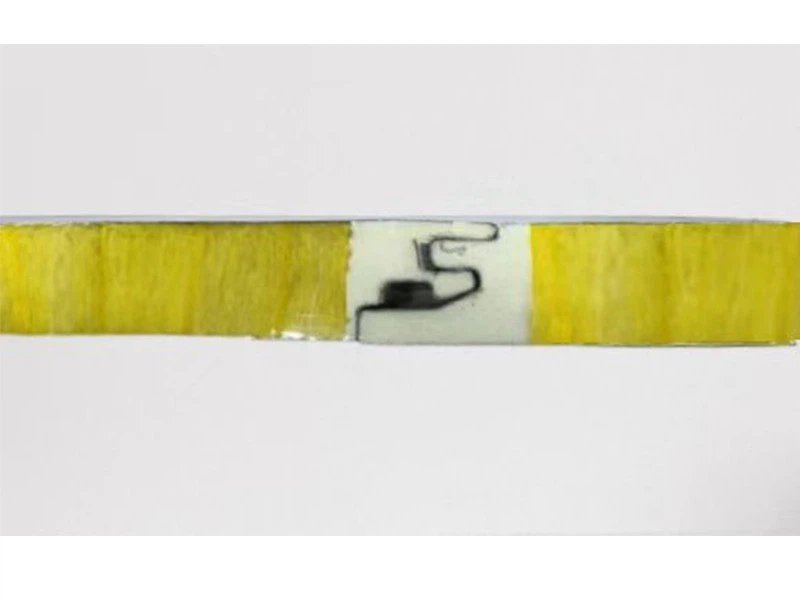
Another advantage of mineral wool sandwich panels is their thermal insulation properties. Mineral wool has a low thermal conductivity, which means it can effectively reduce heat transfer between the inside and outside of a building. This can help lower energy consumption and reduce heating and cooling costs, making mineral wool sandwich panels a cost-effective choice in the long run.
Comparing Installation Costs
When comparing the installation costs of mineral wool sandwich panels to other types of insulation sandwich panels, it's important to consider the specific features and benefits of each type of panel. Here are some of the most common types of insulation sandwich panels and how their installation costs compare to mineral wool sandwich panels:
Polyurethane (PU) Sandwich Panels
Polyurethane sandwich panels are made by sandwiching a layer of polyurethane foam insulation between two metal sheets. Polyurethane foam is a highly efficient insulation material that offers excellent thermal insulation properties. However, it is also a combustible material, which means it may require additional fire protection measures to meet building code requirements.
In terms of installation costs, polyurethane sandwich panels are generally more expensive than mineral wool sandwich panels. This is because the installation of polyurethane sandwich panels requires specialized equipment and techniques to ensure proper adhesion and sealing. Additionally, the cost of the polyurethane foam insulation material itself is typically higher than that of mineral wool insulation.
Polystyrene (PS) Sandwich Panels
Polystyrene sandwich panels are made by sandwiching a layer of polystyrene foam insulation between two metal sheets. Polystyrene foam is a lightweight and inexpensive insulation material that offers good thermal insulation properties. However, like polyurethane foam, it is also a combustible material, which means it may require additional fire protection measures to meet building code requirements.
In terms of installation costs, polystyrene sandwich panels are generally less expensive than mineral wool sandwich panels. This is because the installation of polystyrene sandwich panels is relatively straightforward and does not require specialized equipment or techniques. Additionally, the cost of the polystyrene foam insulation material itself is typically lower than that of mineral wool insulation.
Glass Wool Sandwich Panels
Glass wool sandwich panels are made by sandwiching a layer of glass wool insulation between two metal sheets. Glass wool is a type of insulation material made from glass fibers. It offers good thermal insulation, fire resistance, and acoustic performance, making it a popular choice for a wide range of building applications.
In terms of installation costs, glass wool sandwich panels are generally comparable to mineral wool sandwich panels. The installation process for glass wool sandwich panels is similar to that of mineral wool sandwich panels, and the cost of the glass wool insulation material is also comparable to that of mineral wool insulation. However, glass wool sandwich panels may require additional protection during installation to prevent the glass fibers from becoming airborne, which can be a health hazard.
Factors Affecting Installation Costs
In addition to the type of panel, several other factors can affect the installation costs of insulation sandwich panels. These factors include:
Project Size
The size of the project is one of the most significant factors affecting installation costs. Larger projects typically require more labor, materials, and equipment, which can increase the overall installation cost. Additionally, larger projects may require more complex installation techniques and coordination, which can also add to the cost.
Installation Location
The location of the installation can also affect the installation costs. Projects located in remote or hard-to-reach areas may require additional transportation and logistics costs, which can increase the overall installation cost. Additionally, projects located in areas with high labor costs or strict building code requirements may also be more expensive to install.
Complexity of the Installation
The complexity of the installation is another important factor affecting installation costs. Projects that require complex shapes, angles, or connections may require more labor and materials, which can increase the overall installation cost. Additionally, projects that require special equipment or techniques, such as crane installation or welding, may also be more expensive to install.
Conclusion
In conclusion, the installation costs of mineral wool sandwich panels compared to other types of insulation sandwich panels can vary depending on several factors, including the type of panel, the size of the project, the installation location, and the complexity of the installation. While mineral wool sandwich panels may be more expensive to install than some other types of panels, they offer several advantages, including excellent fire resistance, thermal insulation, and acoustic performance, which can make them a cost-effective choice in the long run.
If you're considering using insulation sandwich panels for your next building project, I encourage you to contact us to learn more about our Fire Resistance Rock Wool Mineral Wool Sandwich Panel, Glass Wool Sandwich Panel for Wall, and Fire Rated Rock Wool Sandwich Panel Mineral Wool with PIR Side Sealing. Our team of experts can provide you with a detailed quote and help you choose the right type of panel for your specific needs and budget.
References
- Building Construction Handbook, McGraw-Hill Education
- Insulation Materials and Systems, ASTM International
- Fire Safety in Buildings, National Fire Protection Association