

As a supplier of wall sandwich panels, I've witnessed firsthand the widespread adoption of these building materials due to their numerous advantages, such as high insulation, lightweight, and quick installation. However, like any product, wall sandwich panels also have their share of disadvantages. In this blog post, I'll delve into some of the drawbacks associated with wall sandwich panels to provide a comprehensive view for potential buyers.
1. Limited Structural Strength
One of the primary disadvantages of wall sandwich panels is their relatively limited structural strength compared to traditional building materials like bricks or concrete. While sandwich panels are designed to be lightweight, this characteristic often comes at the expense of load - bearing capacity. In large - scale construction projects where significant structural support is required, such as high - rise buildings or industrial facilities with heavy machinery, sandwich panels may not be sufficient on their own.
For instance, in areas prone to high winds, earthquakes, or heavy snow loads, the structural integrity of sandwich panels can be compromised. The outer layers of the panel, typically made of thin metal sheets, may dent or deform under extreme pressure, and the core material may not provide enough resistance to prevent the panel from collapsing. This limitation means that additional structural support systems, such as steel frames or columns, are often necessary when using wall sandwich panels, which can increase the overall cost and complexity of the construction project.
2. Fire Safety Concerns
Although many wall sandwich panels are available with fire - rated options, such as the Fire Rated Rock Wool Sandwich Panel Mineral Wool with PIR Side Sealing, there are still fire safety concerns associated with some types of sandwich panels. Panels with organic core materials, like polyurethane (PU) or polystyrene (PS), are highly flammable. When exposed to fire, these core materials can release toxic gases and flames, posing a significant risk to the occupants of the building.
Even in panels with fire - resistant core materials like rock wool or glass wool, the outer metal layers can conduct heat, potentially spreading the fire to other parts of the building. In addition, if the panel joints are not properly sealed, fire can penetrate through the gaps, further endangering the structure. It's crucial for builders and architects to carefully select fire - rated sandwich panels and ensure proper installation to minimize the fire risk.
3. Moisture and Condensation Issues
Wall sandwich panels can be susceptible to moisture and condensation problems. The core materials of sandwich panels, especially those made of organic materials, can absorb moisture over time. This absorption can lead to a decrease in the panel's insulation performance, as well as the growth of mold and mildew, which can be harmful to human health.
Condensation can occur when warm, moist air comes into contact with the cold surface of the panel. If the panel does not have proper ventilation or vapor barriers, the condensed water can accumulate within the panel, causing damage to the core material and the outer layers. For example, in a cold climate, the inner surface of the panel may become cold enough to cause water vapor in the indoor air to condense. This can lead to rusting of the metal outer layers and degradation of the core material, reducing the panel's lifespan and performance.
4. Environmental Impact
The production and disposal of wall sandwich panels can have a significant environmental impact. The manufacturing process of sandwich panels often involves the use of energy - intensive materials and processes. For example, the production of metal outer layers requires large amounts of energy for mining, refining, and shaping the metal. The core materials, especially those made of synthetic polymers, are derived from non - renewable resources and can release harmful chemicals during production.
In terms of disposal, sandwich panels can be difficult to recycle. The combination of different materials in a single panel, such as metal and foam, makes it challenging to separate and reuse the components. As a result, many sandwich panels end up in landfills, where they can take a long time to decompose and may release pollutants into the environment.
5. Aesthetic Limitations
While wall sandwich panels offer a certain degree of aesthetic appeal, they also have some limitations in terms of design flexibility. The standard sizes and shapes of sandwich panels can restrict the architectural creativity of a building. Most sandwich panels come in pre - fabricated sizes, which may not be suitable for complex or unique building designs.
The color options of the outer metal layers are also somewhat limited. Although there are a variety of colors available, they may not always match the exact color scheme or design concept of the building. In addition, the appearance of sandwich panels can be relatively uniform and may lack the texture and character of traditional building materials, which can make the building look less distinctive.
6. Cost Considerations
Although wall sandwich panels are often touted as a cost - effective building solution, there are hidden costs associated with their use. As mentioned earlier, the need for additional structural support systems can increase the overall cost of the project. In addition, high - quality fire - rated and moisture - resistant sandwich panels can be more expensive than standard panels.
The installation of sandwich panels also requires specialized labor and equipment. Improper installation can lead to performance issues, such as leaks, poor insulation, and structural instability, which may require costly repairs in the future. Moreover, the long - term maintenance costs of sandwich panels should also be taken into account. For example, if the panels are damaged by weather or other factors, they may need to be replaced, which can be a significant expense.
7. Compatibility with Other Building Materials
Wall sandwich panels may not be fully compatible with other building materials. When integrating sandwich panels with traditional building materials, such as bricks or concrete, there can be issues with joint sealing, load transfer, and thermal expansion. For example, the different expansion and contraction rates of sandwich panels and other materials can cause cracks and gaps at the joints, which can lead to moisture infiltration and structural problems.
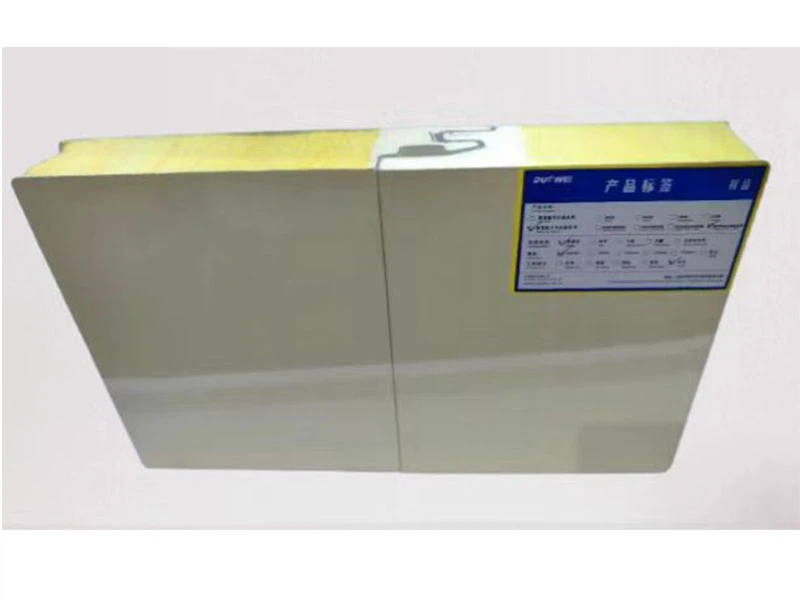

In addition, the connection between sandwich panels and other building components, such as doors and windows, needs to be carefully designed and installed to ensure a proper fit and seal. If not done correctly, it can affect the overall performance and appearance of the building.
Despite these disadvantages, wall sandwich panels still have many advantages and are widely used in various construction projects. At our company, we offer a range of high - quality wall sandwich panels, including Glass Wool Sandwich Panel for Wall and Insulated Metal PIR PU Foam Sandwich Panel, which are designed to minimize these drawbacks. If you're considering using wall sandwich panels for your next project, we encourage you to contact us for more information and to discuss your specific requirements. Our team of experts can provide you with detailed advice and solutions to help you make the best decision for your construction needs.
References
- Building Materials Handbook, various editions
- Fire Safety in Buildings: Principles and Practice, by John G. Williamson
- Environmental Impact Assessment of Construction Materials, by Maria A. Papadopoulou