

As a sandwich panel supplier, I understand the importance of maintaining the cleanliness and longevity of these versatile building materials. Sandwich panels are widely used in various industries, including clean rooms and cold storage facilities, due to their excellent insulation, strength, and aesthetic appeal. In this blog post, I'll share some professional tips on how to clean sandwich panels effectively.
Understanding Sandwich Panels
Before diving into the cleaning process, it's essential to understand the structure and composition of sandwich panels. A typical sandwich panel consists of two outer layers (facings) and a core material in between. The facings can be made of different materials such as metal (e.g., steel, aluminum), plastic, or fiberglass, while the core can be made of materials like polyurethane foam, polystyrene, or mineral wool.
Cleaning Preparation
- Gather the necessary tools and materials: You'll need a soft - bristle brush, a microfiber cloth, a mild detergent, a bucket of warm water, and a ladder if you need to access high - placed panels. Avoid using abrasive cleaners, steel wool, or harsh chemicals as they can damage the panel's surface.
- Inspect the panels: Before cleaning, check the panels for any signs of damage, such as dents, scratches, or loose parts. If you find any damage, it's best to address it before cleaning to prevent further issues.
- Protect the surrounding area: Cover any nearby equipment, floors, or objects with plastic sheets or drop cloths to prevent them from getting wet or dirty during the cleaning process.
Cleaning Different Types of Sandwich Panels
Metal - faced Sandwich Panels
Metal - faced sandwich panels are commonly used in industrial and commercial buildings. Here's how to clean them:
- Remove loose dirt and debris: Use a soft - bristle brush or a dry microfiber cloth to gently sweep away any loose dirt, dust, or cobwebs from the panel surface.
- Prepare the cleaning solution: Mix a small amount of mild detergent in a bucket of warm water. Make sure the detergent is suitable for use on metal surfaces.
- Clean the panels: Dip the microfiber cloth into the cleaning solution and wring it out until it's damp. Wipe the panel surface in a gentle, circular motion, starting from the top and working your way down. Pay special attention to areas with stubborn stains or dirt.
- Rinse the panels: Once you've cleaned the entire panel surface, use a clean, damp cloth to rinse off the detergent residue. Make sure to remove all the soap to prevent streaks or discoloration.
- Dry the panels: Use a dry microfiber cloth to dry the panel surface thoroughly. This helps prevent water spots and rust formation on the metal facings.
Plastic - faced Sandwich Panels
Plastic - faced sandwich panels are often used in clean rooms and other environments where hygiene is crucial. To clean them:
- Dust removal: Similar to metal - faced panels, start by removing loose dust and debris using a soft - bristle brush or a dry microfiber cloth.
- Choose a suitable cleaner: Select a mild, non - abrasive cleaner that is specifically formulated for plastic surfaces. Avoid using cleaners that contain solvents or harsh chemicals, as they can damage the plastic.
- Apply the cleaner: Spray the cleaner onto the panel surface or apply it with a microfiber cloth. Let the cleaner sit for a few minutes to loosen the dirt and stains.
- Wipe the panels: Use a soft - bristle brush or a microfiber cloth to gently scrub the panel surface. Be careful not to apply too much pressure, as this can scratch the plastic.
- Rinse and dry: Rinse the panel surface with clean water using a damp cloth, and then dry it with a dry microfiber cloth.
Fiberglass - faced Sandwich Panels
Fiberglass - faced sandwich panels offer good insulation and durability. When cleaning them:
- Initial cleaning: Brush off any loose dirt and debris from the panel surface.
- Cleaning solution: Prepare a mild detergent solution as described earlier.
- Cleaning process: Use a soft - bristle brush or a microfiber cloth to apply the cleaning solution to the panel surface. Scrub gently in a circular motion to remove dirt and stains.
- Rinse and dry: Rinse the panels thoroughly with clean water and dry them with a dry microfiber cloth.
Cleaning Specialized Sandwich Panels
Clean Room Sandwich Panel
Clean room sandwich panels require a high - level of cleanliness to maintain the sterility of the environment. Here are some additional steps:
- Use sterile cleaning supplies: All cleaning tools and materials should be sterile to prevent contamination.
- Follow strict cleaning protocols: Clean the panels in a specific order, usually from the top to the bottom and from the cleanest areas to the dirtiest.
- Disinfection: After cleaning, use a disinfectant that is approved for use in clean rooms to kill any remaining bacteria or viruses.
Cold Storage Sandwich Panel
Cold storage sandwich panels need to be cleaned to maintain proper insulation and prevent mold growth.
- Defrost the area: Before cleaning, make sure the cold storage unit is defrosted to avoid ice and water damage during the cleaning process.
- Cleaning frequency: Due to the high humidity and low - temperature environment, cold storage panels may need to be cleaned more frequently than other types of panels.
- Preventive measures: Apply a mold - resistant coating to the panel surface after cleaning to prevent future mold growth.
Maintenance Tips
- Regular inspections: Conduct regular inspections of the sandwich panels to detect any signs of damage or dirt buildup early.
- Scheduled cleaning: Establish a regular cleaning schedule based on the usage and environment of the panels. For example, panels in a high - traffic area may need to be cleaned more frequently than those in a less - used space.
- Avoid impacts and scratches: During normal use, take precautions to avoid hitting or scratching the panel surface, as this can compromise the panel's integrity and make it more difficult to clean.
Conclusion
Cleaning sandwich panels is an important part of maintaining their performance and appearance. By following the proper cleaning procedures and using the right tools and materials, you can ensure that your sandwich panels remain in good condition for a long time. Whether you're using them in a clean room, cold storage facility, or any other application, regular cleaning will help extend their lifespan and keep your building looking its best.
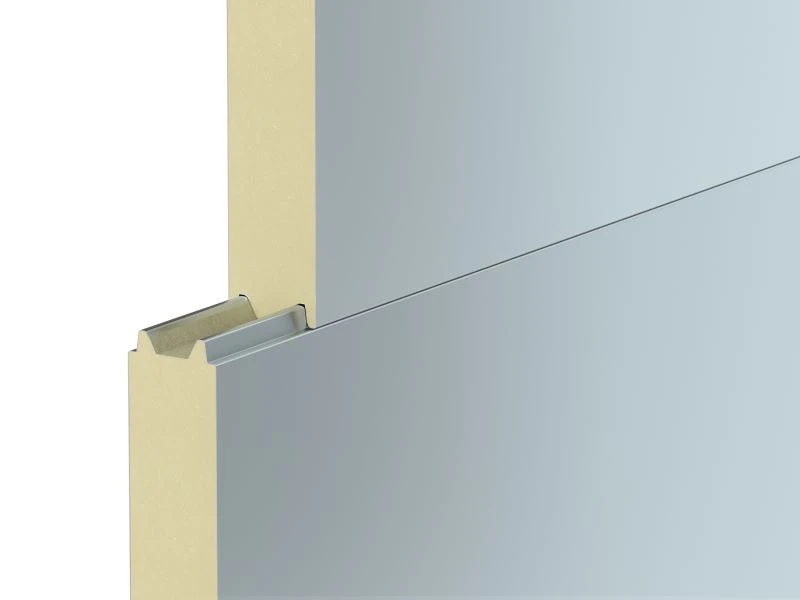

If you're interested in purchasing high - quality sandwich panels for your project, we're here to help. We offer a wide range of sandwich panels to meet your specific needs. Contact us for more information and to start a procurement discussion.
References
- Building Construction Handbook, various editions
- Manufacturer's guidelines for sandwich panel maintenance.