

Yo, folks! As a supplier of mineral wool sandwich panels, I get a ton of questions about the common sizes of these bad boys. So, I thought I'd put together a blog post to cover all the details.
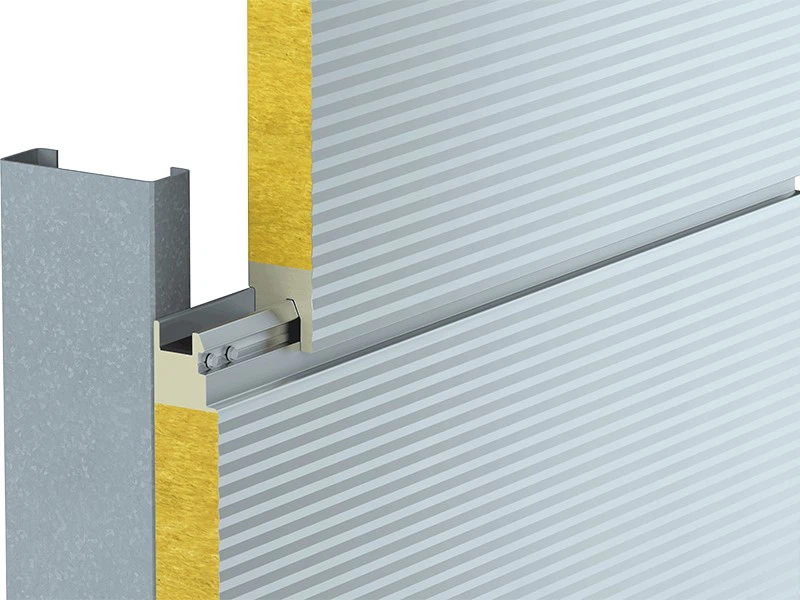
Let's start with the basics. Mineral wool sandwich panels are super popular in construction because they're fire - resistant, have good insulation properties, and are pretty sturdy. They're used in all sorts of buildings, from industrial warehouses to commercial offices and even some residential projects.
Thickness
One of the most important size factors is the thickness of the panel. The thickness mainly depends on the insulation requirements of the project.
- 50mm: This is a common choice for applications where you don't need super - high insulation but still want some level of protection and separation. It's often used in partitions within a building or in areas where the temperature difference isn't extreme. For example, in a factory where the internal environment is relatively stable, 50mm panels can do a decent job.
- 75mm: This thickness is a step up in terms of insulation. It's great for buildings in moderate climates where you want to keep the heating and cooling costs down. You'll often see 75mm mineral wool sandwich panels in small commercial buildings or workshops.
- 100mm: When you need serious insulation, 100mm panels are the way to go. They're commonly used in cold storage facilities, large industrial buildings, and places where energy efficiency is a top priority. These panels can really help to maintain a consistent temperature inside the building.
- 150mm and 200mm: These are heavy - duty thicknesses. They're used in extreme conditions, like in arctic research stations or large - scale refrigeration plants. The extra thickness provides excellent insulation against very cold or very hot temperatures.
Width
The width of mineral wool sandwich panels also varies, and it's an important consideration when planning the layout of a building.
- 950mm: This is a pretty standard width. It's easy to handle and install, and it fits well with common construction methods. Many contractors prefer 950mm wide panels because they can cover a decent amount of area with each panel, reducing the number of joints and potential for leaks.
- 1150mm: A wider option, 1150mm panels can speed up the installation process as they cover more area per panel. However, they might be a bit more challenging to handle, especially in tight spaces. They're often used in large - scale industrial projects where there's plenty of room for maneuvering.
Length
Length is another crucial dimension. Mineral wool sandwich panels can be produced in various lengths to meet different project needs.
- 2 - 12 meters: Most commonly, panels are available in lengths ranging from 2 to 12 meters. Shorter lengths, like 2 - 4 meters, are easier to transport and handle, and they're suitable for smaller projects or areas with limited access. Longer lengths, say 8 - 12 meters, are great for large - span buildings as they reduce the number of joints and provide a more seamless look.
Now, let me introduce some of our great products. If you're looking for a Glass Wool Sandwich Panel for Wall, it offers good insulation and is a great choice for interior and exterior walls. Our Fire Rated Rock Wool Sandwich Panel Mineral Wool with PIR Side Sealing provides enhanced fire resistance and is perfect for buildings where fire safety is critical. And for a general - purpose, high - quality option, check out our Fire Resistance Rock Wool Mineral Wool Sandwich Panel.
When you're choosing the right size of mineral wool sandwich panel for your project, there are a few things to keep in mind. First, think about the climate and the temperature requirements. If you're in a cold area, you'll probably want a thicker panel. Second, consider the structural design of your building. The width and length of the panels should match the layout and the load - bearing capacity. Third, the installation process is also important. Narrower and shorter panels might be easier to install in some cases, while wider and longer ones can save time on larger projects.
In conclusion, there's no one - size - fits - all when it comes to mineral wool sandwich panels. The common sizes I've mentioned are just a starting point. Every project is unique, and you need to pick the sizes that work best for you.

If you're interested in our mineral wool sandwich panels or have any questions about choosing the right sizes for your project, don't hesitate to reach out. We're here to help you make the best decision for your construction needs. Whether it's a small renovation or a large - scale industrial build, we've got the products and the expertise to support you. Contact us today to start your procurement and let's get your project off the ground!
References
- industry construction guides
- past project reports on mineral wool panel usage
- product specifications provided by raw material suppliers