

When it comes to constructing or renovating a building, one of the critical decisions you'll face is choosing the right wall sandwich panels. As a seasoned wall sandwich panel supplier, I understand the complexities involved in this choice. In this blog, I'll share some key factors to consider to help you make an informed decision.
1. Thermal Insulation
Thermal insulation is one of the most important aspects of wall sandwich panels. Good insulation can significantly reduce energy consumption by keeping the interior of the building warm in winter and cool in summer. Different core materials offer varying levels of thermal insulation.
For instance, Fire Resistance Rock Wool Mineral Wool Sandwich Panel is an excellent choice for thermal insulation. Rock wool and mineral wool have low thermal conductivity, which means they can effectively prevent heat transfer. These panels are also fire - resistant, adding an extra layer of safety to your building.
Glass Wool Sandwich Panel for Wall is another option. Glass wool is known for its good insulation properties. It is lightweight and easy to install, making it a popular choice for many construction projects. However, it may not be as fire - resistant as rock wool panels.
Insulated Metal PIR PU Foam Sandwich Panel offers high - performance thermal insulation. PIR (Polyisocyanurate) and PU (Polyurethane) foams have very low thermal conductivity, providing excellent heat retention. These panels are often used in industrial and commercial buildings where energy efficiency is a top priority.
2. Fire Resistance
Fire safety is a crucial consideration in any building project. Wall sandwich panels should meet the required fire - resistance standards. Rock wool and mineral wool panels are well - known for their excellent fire - resistant properties. They can withstand high temperatures for an extended period, preventing the spread of fire and protecting the structure of the building.
When evaluating the fire resistance of sandwich panels, look for certifications such as Euroclass ratings. These ratings indicate the panel's performance in terms of fire behavior, including flame spread, heat release, and smoke production.
3. Structural Strength
The structural strength of wall sandwich panels is essential to ensure the stability and durability of the building. The strength of the panel depends on several factors, including the thickness of the facing sheets and the core material.
Metal - faced sandwich panels generally offer high structural strength. The metal sheets provide rigidity and support, while the core material adds additional strength and insulation. Thicker facing sheets and a denser core material will result in a stronger panel.
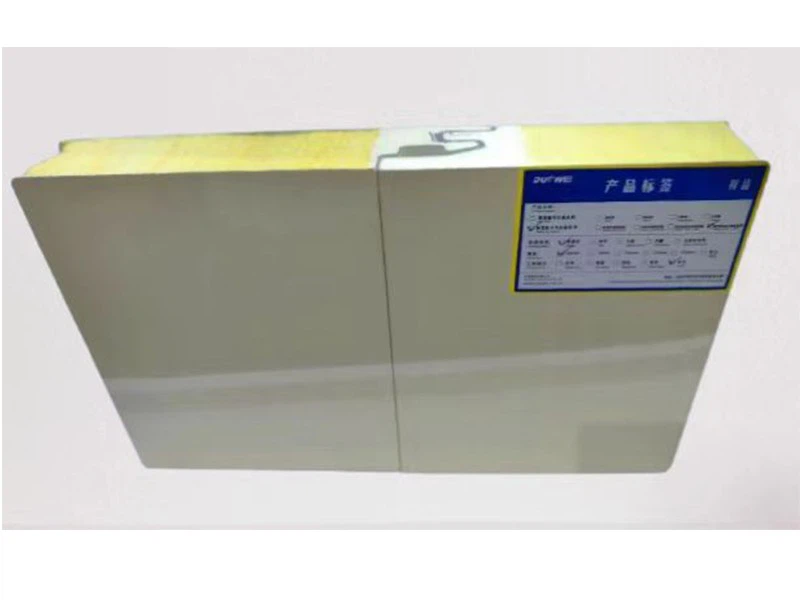

Consider the load - bearing requirements of your building. For example, in industrial buildings with heavy machinery or large storage areas, you'll need panels with higher structural strength to support the weight.
4. Moisture Resistance
Moisture can cause significant damage to a building over time, including mold growth, rot, and corrosion. Therefore, it's important to choose wall sandwich panels with good moisture - resistance properties.
Some core materials, such as PIR and PU foams, are inherently resistant to moisture. They have a closed - cell structure that prevents water from penetrating the panel. Metal - faced panels also offer good moisture resistance, especially if they are properly sealed and installed.
However, in areas with high humidity or where the panels may be exposed to water, additional moisture - protection measures may be required. This could include applying a waterproof coating or using a vapor barrier.
5. Aesthetic Appeal
The appearance of the wall sandwich panels can have a significant impact on the overall look of the building. There are various options available in terms of color, finish, and texture.
Metal - faced panels come in a wide range of colors and finishes, allowing you to create a modern and stylish look for your building. You can choose from smooth, textured, or patterned finishes to suit your design preferences.
In addition, some panels can be customized with logos or other decorative elements, making them a great choice for commercial buildings where branding is important.
6. Installation and Maintenance
Ease of installation and maintenance are also important factors to consider. Panels that are easy to install can save time and labor costs during the construction process.
Many wall sandwich panels are designed for quick and easy installation. They often come with pre - drilled holes and interlocking systems, which allow for a seamless and efficient installation.
In terms of maintenance, choose panels that are easy to clean and require minimal upkeep. Metal - faced panels are generally low - maintenance, as they can be easily wiped clean with a damp cloth.
7. Cost
Cost is always a consideration when choosing wall sandwich panels. The price of the panels will depend on several factors, including the type of core material, the thickness of the facing sheets, and the brand.
While it's important to stay within your budget, don't compromise on quality. Investing in high - quality panels may cost more upfront but can save you money in the long run through lower energy costs, reduced maintenance, and increased durability.
Compare the prices of different panels and consider the long - term benefits. Look for suppliers who offer competitive pricing without sacrificing quality.
Conclusion
Choosing the right wall sandwich panels is a complex decision that requires careful consideration of multiple factors. By evaluating the thermal insulation, fire resistance, structural strength, moisture resistance, aesthetic appeal, installation and maintenance requirements, and cost, you can select the panels that best meet the needs of your building project.
As a wall sandwich panel supplier, I am committed to providing high - quality products and expert advice. If you have any questions or need further assistance in choosing the right panels for your project, please feel free to contact us for a detailed discussion and procurement negotiation.
References
- Building Construction Handbook, various editions
- Fire Safety Standards and Regulations in the Construction Industry
- Manufacturer's product specifications and technical data sheets