

Hey there! As a supplier of PU foam sandwich panels, I often get asked if these panels can be used in the construction of agricultural buildings. Well, let's dive right into it and see if PU foam sandwich panels are a good fit for your agricultural projects.
Advantages of Using PU Foam Sandwich Panels in Agricultural Buildings
1. Excellent Insulation
One of the biggest advantages of PU foam sandwich panels is their outstanding insulation properties. In agricultural buildings, maintaining a stable temperature is crucial for the well - being of livestock and the storage of agricultural products. PU foam has a very low thermal conductivity, which means it can effectively prevent heat transfer. Whether it's the scorching heat of summer or the freezing cold of winter, these panels can help keep the interior of the building at a comfortable temperature. This not only saves on energy costs but also creates a more favorable environment for the growth and survival of crops and animals.
2. Lightweight and Easy to Install
PU foam sandwich panels are relatively lightweight compared to traditional building materials. This makes them much easier to handle and install. In agricultural construction, where large - scale buildings need to be erected quickly, the ease of installation can significantly reduce construction time and labor costs. You don't need heavy - duty equipment to lift and place these panels, which is a huge plus for on - site construction.
3. Durability
These panels are highly durable and can withstand various environmental conditions. They are resistant to moisture, which is important in agricultural settings where there may be high humidity levels. Additionally, they are also resistant to corrosion, pests, and fungi. This means that the panels will last for a long time without significant deterioration, providing a long - term solution for agricultural buildings.
4. Versatility
PU foam sandwich panels come in a variety of sizes, shapes, and colors. This allows for great flexibility in the design of agricultural buildings. Whether you're building a simple storage shed or a large - scale livestock barn, you can find the right panels to meet your specific needs. You can also customize the panels to fit the architectural style of your farm.
Potential Concerns and How to Address Them
1. Fire Resistance
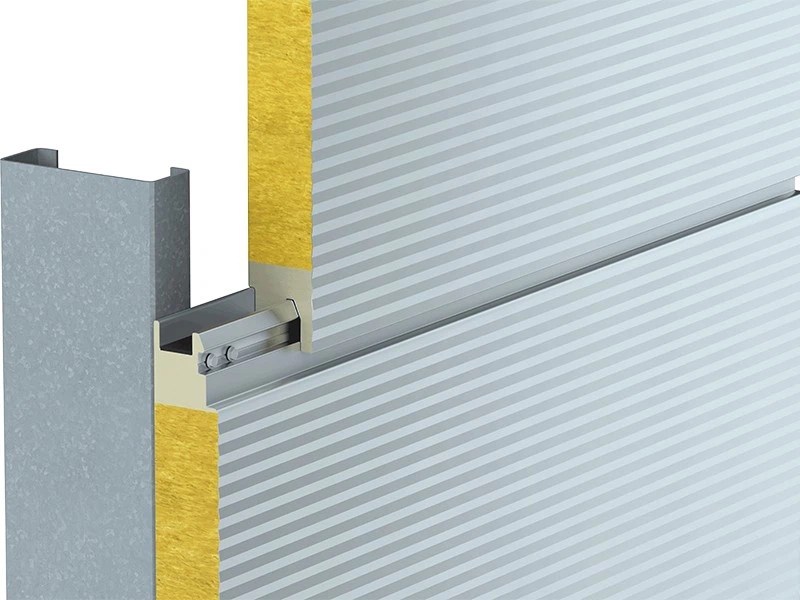
While PU foam is a great insulator, it is flammable. However, there are ways to address this concern. Some manufacturers offer fire - resistant PU foam sandwich panels. These panels are treated with special fire - retardant chemicals to reduce their flammability. Additionally, you can consider using other fire - resistant building materials in combination with the PU foam panels. For example, you might want to check out the Fire Resistance Rock Wool Mineral Wool Sandwich Panel or the Fire Rated Rock Wool Sandwich Panel Mineral Wool with PIR Side Sealing. These panels can be used as additional layers to enhance the fire safety of your agricultural building.

2. Cost
PU foam sandwich panels can be more expensive than some traditional building materials. However, when you consider the long - term benefits such as energy savings, durability, and ease of installation, the cost can be justified. You can also look for cost - effective options by comparing different suppliers and choosing the right panel thickness and quality for your specific needs.
Comparing with Other Sandwich Panels
There are other types of sandwich panels available in the market, such as glass wool sandwich panels. The Glass Wool Sandwich Panel for Wall is another popular choice for agricultural buildings. Glass wool panels also offer good insulation, but they may not be as lightweight as PU foam panels. Additionally, glass wool can be more difficult to handle due to its fibrous nature.
PU foam sandwich panels, on the other hand, provide better insulation per unit thickness and are generally easier to install. However, as mentioned earlier, the fire resistance of PU foam needs to be carefully considered.
Case Studies
Let's take a look at a few real - world examples of using PU foam sandwich panels in agricultural buildings.
In a large - scale dairy farm, PU foam sandwich panels were used to construct the milking parlor and the storage area. The excellent insulation properties of the panels helped maintain a consistent temperature, which was crucial for the quality of the milk. The lightweight nature of the panels made the construction process quick and efficient, allowing the farm to start operations sooner.
Another example is a vegetable greenhouse. PU foam sandwich panels were used to build the walls and roof of the greenhouse. The panels provided good insulation, reducing the energy required to heat the greenhouse during the cold months. The durability of the panels also ensured that the greenhouse could withstand the harsh weather conditions, such as strong winds and heavy snow.
Conclusion
So, can a PU foam sandwich panel be used in the construction of agricultural buildings? Absolutely! With their excellent insulation, lightweight, durability, and versatility, PU foam sandwich panels are a great choice for a wide range of agricultural applications. However, it's important to address concerns such as fire resistance and cost. By choosing the right panels and taking appropriate safety measures, you can create a comfortable, energy - efficient, and long - lasting agricultural building.
If you're interested in using PU foam sandwich panels for your agricultural project, I'd love to have a chat with you. We can discuss your specific needs, provide you with detailed information about our products, and help you make the best decision for your farm. Don't hesitate to reach out and start the conversation about your next agricultural building project.
References
- Building and Construction Research Institute. (2020). Insulation materials for agricultural buildings.
- Smith, J. (2019). Case studies of using sandwich panels in agricultural construction.
- Green, A. (2021). Fire safety in agricultural buildings.