

Hey there! As a supplier of wall sandwich panels, I often get asked, "Are wall sandwich panels waterproof?" It's a super important question, especially when you're thinking about using these panels for your building projects. So, let's dive right in and explore this topic.
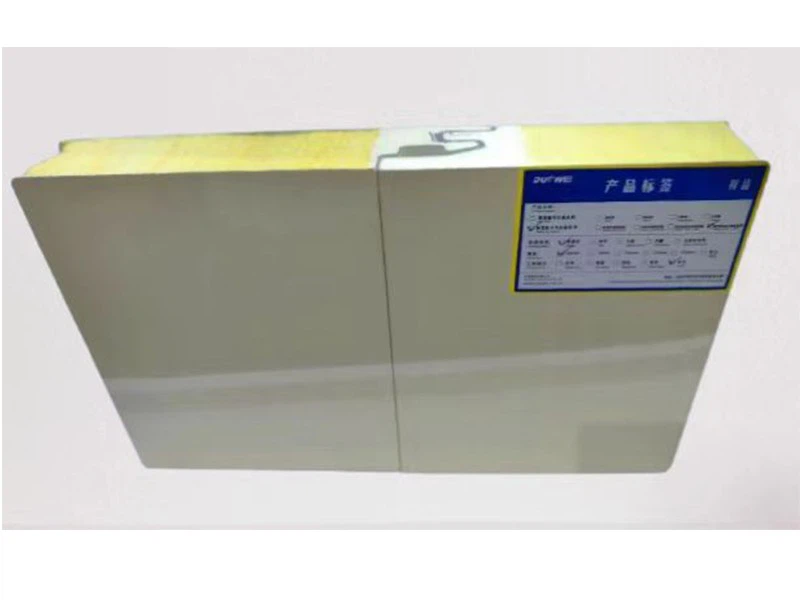
First off, what are wall sandwich panels? Well, they're basically composite panels made up of two outer layers and a core material in between. The outer layers can be made of different materials like metal, plastic, or fiberglass, while the core can be things like polystyrene, polyurethane, rock wool, or glass wool. These panels are used in a wide range of applications, from industrial buildings to commercial and residential structures, because they're lightweight, easy to install, and offer good insulation.
Now, back to the big question: Are they waterproof? The answer isn't a simple yes or no. It depends on a few factors, like the type of panel, its installation, and the environment it's in.
Let's start with the type of panel. Some wall sandwich panels are designed to be more waterproof than others. For example, panels with a polyurethane core are known for their good water resistance. Polyurethane is a closed - cell foam, which means it has a structure that doesn't allow water to easily penetrate. This makes it a great choice for areas where there's a risk of water exposure, like in cold storage facilities or buildings in humid climates.
On the other hand, panels with a rock wool or glass wool core are mainly used for their insulation and fire - resistant properties. Rock wool and glass wool are porous materials, which means they can absorb water. However, that doesn't mean they're completely useless in wet conditions. Many manufacturers, including us, have developed ways to make these panels more water - resistant. For instance, we offer Fire Resistance Rock Wool Mineral Wool Sandwich Panel and Fire Rated Rock Wool Sandwich Panel Mineral Wool with PIR Side Sealing. The PIR side sealing helps to prevent water from seeping into the panel from the edges, which is a common entry point for water.
Another type of panel is the Glass Wool Sandwich Panel for Wall. Glass wool is also a porous material, but with proper treatment and installation, it can still be used in areas with some water exposure. We've seen these panels work well in buildings where the main concern is insulation, and there's only occasional water contact.
Installation is also a crucial factor in determining the waterproofness of wall sandwich panels. Even the most water - resistant panel can fail if it's not installed correctly. The panels need to be properly sealed at the joints. This usually involves using sealants or gaskets to create a watertight barrier between the panels. Any gaps or cracks can allow water to seep in, which can lead to problems like mold growth, corrosion of the outer layers, and reduced insulation performance.
The environment where the panels are installed also plays a big role. If the building is in an area with heavy rainfall, high humidity, or near a body of water, the panels will be exposed to more water. In these cases, you need to choose a panel with better water resistance and make sure the installation is top - notch. For example, in coastal areas, the salt in the air can also cause corrosion, so you might want to consider panels with a more corrosion - resistant outer layer.
Let's talk about some of the signs that your wall sandwich panels might not be waterproof. If you notice water stains on the interior walls, it could be a sign that water is seeping through the panels. Another sign is a musty smell, which could indicate mold growth due to water damage. You might also see rust or corrosion on the outer layers of the panels, especially if they're made of metal.
So, how can you ensure that your wall sandwich panels are waterproof? First, choose the right type of panel for your specific needs. Consider the climate, the location of the building, and the intended use of the space. Second, hire a professional installer who has experience with wall sandwich panels. They'll know how to properly seal the panels and ensure a watertight installation. Third, perform regular inspections of the panels. Check for any signs of damage, such as cracks or gaps, and repair them as soon as possible.
In conclusion, while not all wall sandwich panels are inherently waterproof, there are many options available that can provide good water resistance. By choosing the right panel, having it installed correctly, and maintaining it properly, you can ensure that your building stays dry and protected.

If you're in the market for wall sandwich panels and have questions about their waterproofness or any other aspect, don't hesitate to reach out. We're here to help you make the best choice for your project. Whether you need a panel for a small residential building or a large industrial complex, we've got the expertise and the products to meet your needs. Let's start a conversation about your project and find the perfect wall sandwich panels for you.
References
- Building Construction Handbook: Covers general knowledge about wall sandwich panels and their properties.
- Industry reports on insulation materials: Provide data on the water - resistance of different core materials in wall sandwich panels.