

As a supplier of PU foam sandwich panels, I often get asked about the special requirements for storing these products. Proper storage is crucial to maintain the quality and performance of PU foam sandwich panels, ensuring they are in optimal condition when they reach the end - user. In this blog, I'll delve into the key aspects of storing PU foam sandwich panels.
Environmental Conditions
Temperature
PU foam sandwich panels are sensitive to temperature changes. Extreme heat can cause the foam core to expand, potentially leading to warping or delamination of the panel layers. On the other hand, very cold temperatures can make the panels brittle, increasing the risk of cracks during handling.
The ideal storage temperature for PU foam sandwich panels is between 10°C and 30°C. This temperature range helps to preserve the physical and chemical properties of the panel. For example, if the panels are stored in a warehouse where the temperature regularly exceeds 30°C, the foam may start to break down over time, reducing its insulation properties. Conversely, in a cold - storage environment below 10°C, the panels may become less flexible and more prone to damage.
Humidity
High humidity can be detrimental to PU foam sandwich panels. Moisture can penetrate the panels, causing corrosion of the metal facings (if present) and degradation of the foam core. The foam may absorb water, which can lead to a decrease in its insulation efficiency and an increase in the risk of mold growth.
It is recommended to store the panels in an environment with a relative humidity of less than 60%. If the storage area is in a coastal region or an area with high rainfall, it's essential to take extra precautions, such as using dehumidifiers or storing the panels in sealed containers. For instance, if the panels are left in a damp warehouse for an extended period, the metal facings may start to rust, and the foam may develop a musty smell due to mold growth.
Storage Location
Indoor Storage
Indoor storage is the best option for PU foam sandwich panels. A dry, well - ventilated warehouse can protect the panels from the elements. The warehouse should be free from leaks and have proper drainage to prevent water accumulation. Additionally, the storage area should be away from sources of heat, such as industrial heaters or direct sunlight.
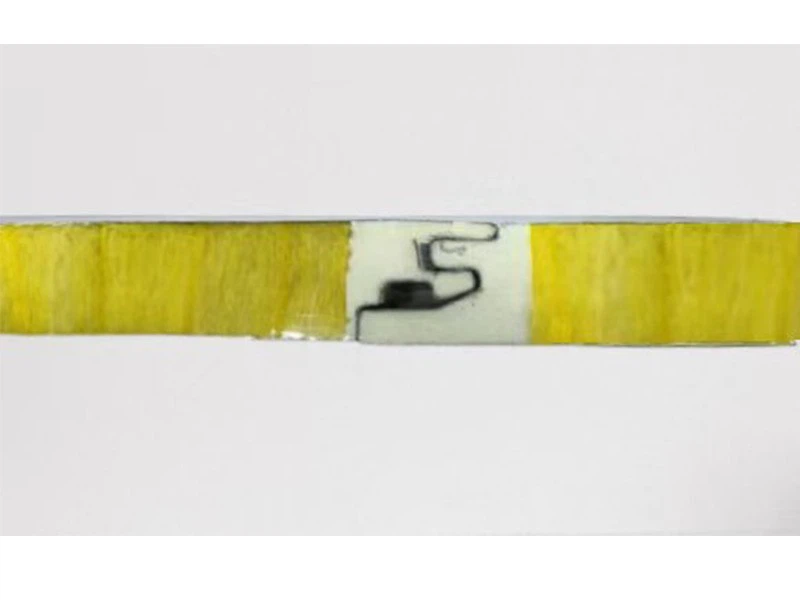
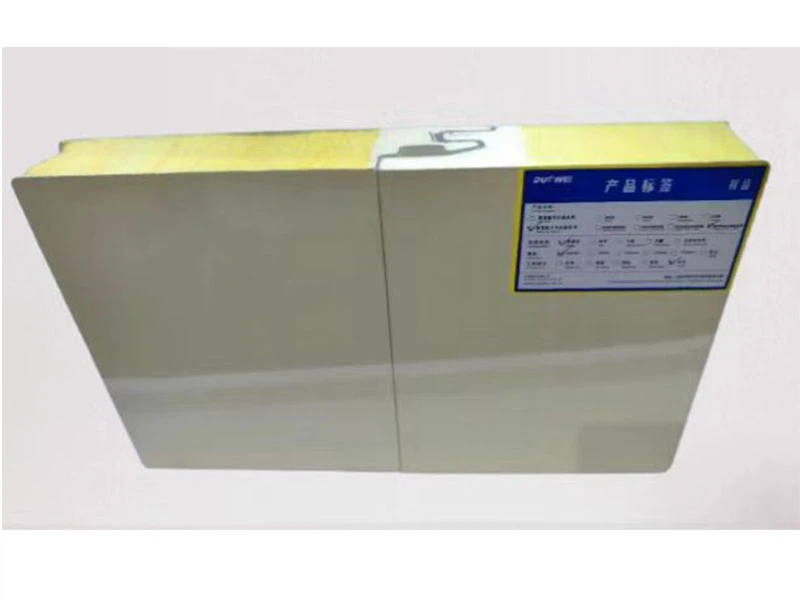
When storing the panels indoors, they should be placed on a flat, stable surface. This helps to prevent warping or bending of the panels. If the panels are stacked, it's important to use spacers between each layer to ensure proper air circulation. For example, placing wooden pallets between the panels can help to keep them separated and allow air to flow freely.
Outdoor Storage
If indoor storage is not available, outdoor storage can be considered, but with additional precautions. The panels should be covered with waterproof tarps to protect them from rain, snow, and sunlight. The tarps should be securely fastened to prevent them from being blown away by strong winds.
However, outdoor storage should be a short - term solution only. Prolonged exposure to the elements can still cause damage to the panels, even with the use of tarps. For example, UV rays from the sun can gradually degrade the surface of the panels, reducing their aesthetic appeal and potentially affecting their performance.
Stacking and Handling
Stacking
When stacking PU foam sandwich panels, it's important to follow the manufacturer's guidelines. The maximum stack height should not exceed the recommended limit to prevent excessive pressure on the bottom panels. Over - stacking can cause the panels at the bottom to deform or break.
The panels should be stacked in a way that their edges are aligned properly. This helps to distribute the weight evenly and reduces the risk of damage. If the panels are not stacked correctly, the edges may be subjected to uneven stress, leading to cracks or delamination.
Handling
Proper handling is essential during storage. When moving the panels, it's important to use appropriate lifting equipment, such as forklifts or cranes. The lifting equipment should be equipped with soft pads to prevent scratching or denting the panels.
Workers should be trained on how to handle the panels safely. They should avoid dropping or dragging the panels, as this can cause significant damage. For example, if a panel is dropped during handling, it may develop internal cracks that are not immediately visible but can affect its performance over time.
Protection from Physical Damage
Avoiding Impact
PU foam sandwich panels can be easily damaged by impact. They should be stored away from areas where there is a high risk of collisions, such as near loading docks or heavy machinery. If the panels are accidentally hit by a forklift or other equipment, they may develop dents, cracks, or delamination.
Protection from Sharp Objects
Sharp objects can puncture or cut the panels. It's important to keep the storage area free from sharp tools, nails, or other objects that could damage the panels. If the panels are stored in a workshop environment, they should be separated from the work area to prevent accidental damage. For example, if a panel is scratched by a sharp object, the metal facing may be compromised, and moisture may enter the panel, leading to further damage.
Related Products
If you are also interested in other types of sandwich panels, we offer a variety of options. Check out our Glass Wool Sandwich Panel for Wall, which provides excellent insulation and is suitable for wall applications. Our Fire Resistance Rock Wool Mineral Wool Sandwich Panel is a great choice for areas where fire safety is a concern. And for high - performance insulation, our Insulated Metal PIR PU Foam Sandwich Panel is a top - notch option.
Conclusion
In conclusion, proper storage of PU foam sandwich panels is essential to maintain their quality and performance. By controlling the environmental conditions, choosing the right storage location, following proper stacking and handling procedures, and protecting the panels from physical damage, you can ensure that the panels are in excellent condition when they are ready for installation.
If you are in the market for high - quality PU foam sandwich panels or have any questions about storage or other aspects of our products, we encourage you to contact us for a detailed discussion. Our team of experts is ready to assist you in making the right choice for your project.
References
- Building Materials Handbook: A Guide to the Properties and Use of Construction Materials.
- Manufacturer's Guidelines for PU Foam Sandwich Panels.
- Research Papers on the Effects of Environmental Conditions on Building Insulation Materials.