

Hey there! As a supplier of sandwich panels, I often get asked about the price of sandwich panels with a high R - value. So, let's dive right into it and break down what goes into the cost of these high - performance panels.
First off, what exactly is an R - value? The R - value is a measure of thermal resistance. In simple terms, the higher the R - value of a sandwich panel, the better it is at insulating. This means less heat transfer, which can lead to significant energy savings in the long run. Whether you're building a Cold Storage Sandwich Panel or a Clean Room Sandwich Panel, a high R - value is super important.
There are several factors that affect the price of a high R - value sandwich panel. The first one is the core material. Sandwich panels typically have a core material sandwiched between two outer layers. Common core materials include polyurethane (PUR), polyisocyanurate (PIR), and expanded polystyrene (EPS).
PUR and PIR are known for their excellent insulation properties, which means they usually have a high R - value. However, these materials are also more expensive to produce. The manufacturing process for PUR and PIR involves complex chemical reactions, and the raw materials themselves can be costly. So, if you opt for a sandwich panel with a PUR or PIR core, you can expect to pay a bit more.
On the other hand, EPS is a more budget - friendly option. It's made from expanded polystyrene beads, which are relatively inexpensive. While EPS has a lower R - value compared to PUR and PIR, it can still provide decent insulation, especially for less demanding applications. If you're on a tight budget and don't need the highest R - value possible, an EPS - core sandwich panel might be the way to go.
Another factor that impacts the price is the thickness of the panel. Generally speaking, the thicker the sandwich panel, the higher the R - value. This is because a thicker panel provides more material for heat to travel through, increasing the thermal resistance. But of course, a thicker panel also requires more raw materials, which drives up the cost. So, you'll need to find a balance between the R - value you need and the thickness you can afford.
The quality of the outer layers also matters. High - quality outer layers can protect the core material from damage, improve the panel's durability, and enhance its aesthetic appeal. These outer layers can be made from materials like steel, aluminum, or fiberglass. Steel is a popular choice because it's strong and relatively inexpensive. Aluminum, on the other hand, is lightweight and corrosion - resistant, but it can be more costly. Fiberglass is known for its excellent insulation properties and fire resistance, but it's also one of the pricier options.
Let's talk about market demand and supply. When the demand for high R - value sandwich panels is high, and the supply is limited, prices tend to go up. This can happen during peak construction seasons or when there's a sudden surge in demand for energy - efficient buildings. On the flip side, if there's an oversupply of sandwich panels in the market, prices may drop as suppliers compete for customers.
Now, let's get to some ballpark figures. Keep in mind that these are just estimates, and the actual price can vary depending on all the factors we've discussed.

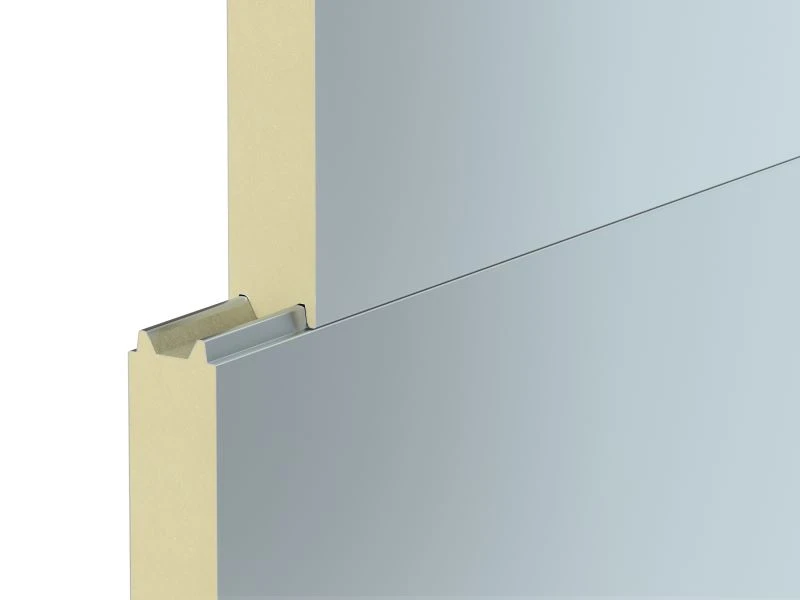
For a basic EPS - core sandwich panel with a moderate R - value, you might be looking at around $5 to $10 per square foot. This type of panel is suitable for applications where insulation requirements aren't too strict, like some storage sheds or simple industrial buildings.
If you need a PUR or PIR - core panel with a high R - value, the price can range from $15 to $30 per square foot. These panels are ideal for Cold Storage Sandwich Panel or Clean Room Sandwich Panel where maintaining a stable temperature is crucial.
If you're looking for a panel with a very high R - value and top - of - the - line outer layers, such as high - grade steel or aluminum, the price could go even higher, potentially reaching $30 to $50 per square foot or more. These panels are often used in high - end commercial buildings or projects with strict energy efficiency standards.
It's also important to consider the long - term savings. While high R - value sandwich panels may cost more upfront, they can save you a significant amount of money on energy bills over time. By reducing heat transfer, these panels can lower your heating and cooling costs, which can add up to substantial savings in the long run.
When you're considering purchasing sandwich panels, it's a good idea to get quotes from multiple suppliers. This way, you can compare prices and see what each supplier offers. Make sure to ask about the R - value, core material, thickness, and outer layer quality when getting a quote.
If you're in the market for high R - value sandwich panels, don't hesitate to reach out. As a supplier, I can provide you with detailed information about our products, including their R - values, prices, and suitability for your specific application. Whether you're building a cold storage facility, a clean room, or any other type of structure, we can help you find the right sandwich panel at the right price. Contact us to start the procurement discussion and get your project on the right track.
References:
- Building Science Corporation: Information on thermal resistance and insulation materials.
- Industry reports on the sandwich panel market.