

As a supplier of glass wool sandwich panels, I often get asked about the performance of these panels in resisting mold growth. Mold is a common concern in construction, especially in areas with high humidity or where moisture control can be challenging. In this blog, I'll delve into how glass wool sandwich panels fare when it comes to mold resistance, drawing on both scientific knowledge and real - world experience.
Understanding Mold Growth
Before we discuss how glass wool sandwich panels perform against mold, it's important to understand what causes mold to grow. Mold is a type of fungus that thrives in warm, damp, and dark environments. It spreads through microscopic spores that are present in the air. When these spores land on a surface with the right conditions - moisture, nutrients, and an appropriate temperature - they can start to grow and form colonies.
In a building context, common sources of moisture that can lead to mold growth include water leaks, high humidity levels, and condensation. If left unchecked, mold can cause a variety of problems, from aesthetic issues like discoloration on walls to more serious health concerns, such as allergic reactions and respiratory problems.
Composition of Glass Wool Sandwich Panels
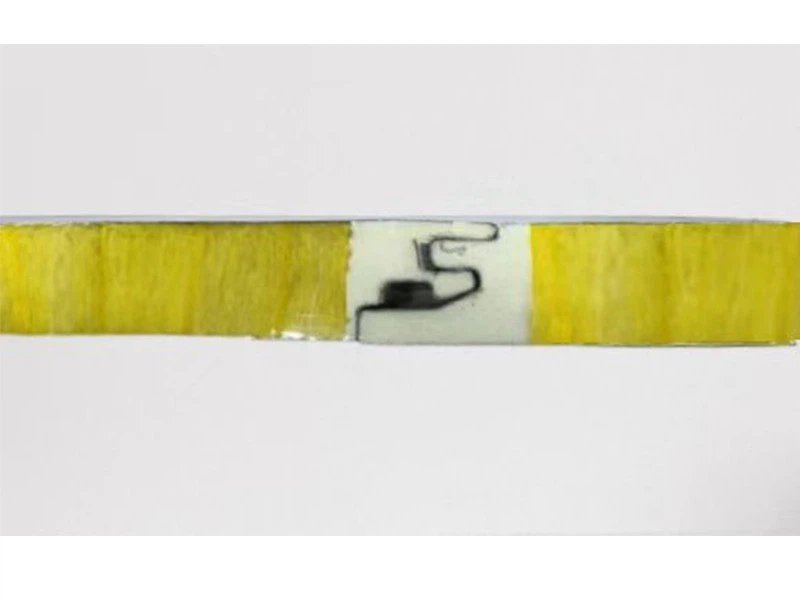
Glass wool sandwich panels are made up of three main layers. The core layer is composed of glass wool, which is a fibrous material made from recycled glass. This glass is melted at high temperatures and then spun into fine fibers. The outer layers are typically made of metal sheets, such as steel or aluminum. These metal skins provide structural strength, durability, and protection for the glass wool core.
The glass wool core has several properties that contribute to its performance in a building. It is known for its excellent thermal insulation properties, which can help reduce energy consumption for heating and cooling. It also has good acoustic insulation capabilities, making it suitable for use in buildings where noise reduction is important.

How Glass Wool Resists Mold Growth
One of the key factors in mold resistance is the material's ability to repel or resist moisture. Glass wool has a natural resistance to moisture absorption. The glass fibers that make up the wool are non - organic, which means they do not provide a food source for mold. Unlike some organic materials like wood or paper, which can break down and provide nutrients for mold, glass wool remains stable in the presence of mold spores.
In addition, the structure of glass wool allows for good air circulation within the panel. This air movement helps to prevent the buildup of moisture, as it allows any water vapor to escape. When moisture cannot accumulate, the conditions for mold growth are less likely to occur.
However, it's important to note that while glass wool itself is resistant to mold, the overall performance of the glass wool sandwich panel in resisting mold also depends on the integrity of the panel's installation and the building's environment.
Installation and Sealing
Proper installation is crucial for ensuring the mold - resistant performance of glass wool sandwich panels. If the panels are not installed correctly, there may be gaps or seams where moisture can penetrate. These areas can become potential breeding grounds for mold.
For example, if the joints between panels are not sealed properly, water can seep in during a rainstorm or due to condensation. This trapped water can then lead to mold growth within the panel or on the surrounding surfaces. As a supplier, we always emphasize the importance of following the installation guidelines carefully and using high - quality sealing materials.
Environmental Factors
The environment in which the glass wool sandwich panels are installed also plays a significant role in mold resistance. In areas with high humidity levels, such as coastal regions or industrial areas with high water vapor emissions, extra precautions may be needed.
For instance, in a building located near the ocean, the air may contain a high amount of salt and moisture. This can increase the risk of corrosion on the metal outer layers of the panel and also provide a more challenging environment for mold prevention. In such cases, we may recommend using panels with additional protective coatings on the metal skins to enhance their durability and resistance to moisture.
Comparing with Other Sandwich Panels
When considering mold resistance, it's useful to compare glass wool sandwich panels with other types of sandwich panels available in the market.
Insulated Metal PIR PU Foam Sandwich Panel is another popular option. PIR (Polyisocyanurate) and PU (Polyurethane) foams are known for their high - performance insulation properties. However, these foams are organic materials, which means they can potentially provide a food source for mold if they are exposed to moisture for an extended period. While modern PIR and PU foams are often treated with anti - microbial agents, there is still a risk of mold growth under certain conditions.
Fire Rated Rock Wool Sandwich Panel Mineral Wool with PIR Side Sealing is similar to glass wool sandwich panels in some ways. Rock wool is also a non - organic material, so it has good mold resistance. However, the performance can vary depending on the specific manufacturing process and the quality of the rock wool used.
Real - World Performance
In real - world applications, glass wool sandwich panels have shown good performance in resisting mold growth. We have received feedback from many customers who have used our Glass Wool Sandwich Panel for Wall in various building projects, including warehouses, cold storage facilities, and industrial buildings.
In cold storage facilities, for example, maintaining a low - humidity environment is crucial to prevent frost and ice buildup. The good thermal insulation and moisture - resistant properties of glass wool sandwich panels help to keep the internal environment stable, reducing the risk of mold growth. In industrial buildings, where there may be high levels of dust and moisture, the panels' ability to resist mold has been well - documented.
Maintenance Tips for Mold Prevention
Even though glass wool sandwich panels have good mold - resistant properties, proper maintenance is still important to ensure long - term performance. Here are some maintenance tips:
- Regularly inspect the panels for any signs of damage, such as dents or scratches on the metal skins. Damaged areas can allow moisture to enter the panel.
- Check the seals around the panels and joints. If any seals are worn or damaged, replace them promptly to prevent water infiltration.
- Keep the building well - ventilated. Good air circulation can help reduce humidity levels and prevent moisture buildup.
- In areas with high humidity, consider using dehumidifiers to maintain a stable indoor environment.
Conclusion
In conclusion, glass wool sandwich panels have a strong performance in resisting mold growth. The non - organic nature of the glass wool core, its low moisture absorption, and the overall design of the panel all contribute to its mold - resistant properties. However, proper installation, environmental control, and regular maintenance are essential to ensure optimal performance.
If you are considering using glass wool sandwich panels for your next building project and want to learn more about their mold - resistant capabilities or other features, we are here to help. Our team of experts can provide you with detailed information, answer your questions, and assist you in choosing the right panels for your specific needs. Contact us to start a discussion about your project requirements and let's work together to create a high - quality, mold - resistant building solution.
References
- ASTM International. (20XX). Standard test methods for evaluating the resistance of building materials to mold growth.
- Building Science Corporation. (20XX). Moisture control in building envelopes.
- Glass Manufacturers Association. (20XX). Technical guide to glass wool products.