

Hey there! As a China steel structure supplier, I've been diving deep into the world of steel structures for years. One of the most crucial aspects of steel structures is surface treatment. It not only enhances the appearance but also significantly extends the lifespan of the steel. So, let's chat about the surface treatment methods for China steel structure.
1. Galvanizing
Galvanizing is one of the most popular surface treatment methods for steel structures. It involves coating the steel with a layer of zinc to protect it from corrosion. There are two main types of galvanizing: hot - dip galvanizing and electro - galvanizing.
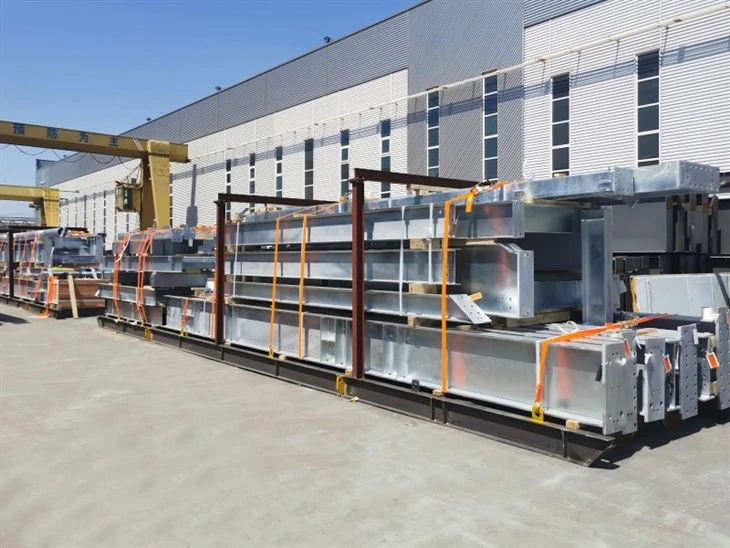
Hot - dip galvanizing is a process where the steel is immersed in a bath of molten zinc. This creates a thick, durable zinc coating that adheres strongly to the steel surface. The zinc coating acts as a sacrificial anode, which means it corrodes first, protecting the underlying steel. This method is widely used in outdoor steel structures such as bridges, transmission towers, and Steel Frame Farm Buildings Farm Steel Structure. The advantage of hot - dip galvanizing is its long - term corrosion resistance, which can last for decades in many environments.
On the other hand, electro - galvanizing is a process that uses an electric current to deposit a thin layer of zinc onto the steel surface. It's a more precise method and can be used for smaller steel components or when a thinner coating is required. However, the zinc coating from electro - galvanizing is not as thick as that from hot - dip galvanizing, so its corrosion resistance is relatively lower.
2. Painting
Painting is another common surface treatment method for steel structures. It can provide not only corrosion protection but also aesthetic appeal. There are various types of paints available for steel, such as epoxy paints, polyurethane paints, and acrylic paints.
Epoxy paints are known for their excellent adhesion and chemical resistance. They can form a tough, protective film on the steel surface, preventing moisture and oxygen from reaching the steel. Epoxy paints are often used as a primer in a multi - coat painting system. For example, in Industrial Steel Structure, epoxy primers are commonly applied first to provide a good base for subsequent paint layers.
Polyurethane paints offer high - gloss finishes and good weather resistance. They are often used as topcoats in painting systems to enhance the appearance and durability of the steel structure. Acrylic paints are water - based and have good color retention and UV resistance. They are a more environmentally friendly option and are suitable for indoor and outdoor applications.
Before painting, the steel surface must be properly prepared. This usually involves cleaning the surface to remove dirt, rust, and grease, and then applying a primer to improve the adhesion of the paint.
3. Powder Coating
Powder coating is a dry finishing process that has gained popularity in recent years. In this process, a fine powder is electrostatically applied to the steel surface and then cured in an oven. The powder particles melt and flow together to form a smooth, durable coating.
One of the main advantages of powder coating is its environmental friendliness. It doesn't contain solvents like traditional liquid paints, so there are no volatile organic compounds (VOCs) released into the atmosphere during the application process. Powder coating also provides excellent corrosion resistance and a wide range of color options. It can be used for various steel structures, including Prefab Metal Gym Buildings Gymnasium Steel Structure.
However, powder coating requires specialized equipment for application and curing, and the initial investment can be relatively high. Also, it may not be suitable for very large - scale steel structures due to the size limitations of the curing ovens.
4. Phosphating
Phosphating is a chemical treatment process that forms a phosphate coating on the steel surface. This coating acts as a conversion coating, which means it chemically changes the surface of the steel. Phosphating can improve the adhesion of subsequent coatings, such as paint or powder coating, and also provides some corrosion protection.
There are different types of phosphating processes, such as zinc phosphating and iron phosphating. Zinc phosphating forms a thicker and more corrosion - resistant coating compared to iron phosphating. Phosphating is often used as a pre - treatment step before painting or powder coating to ensure better adhesion and performance of the final coating.
5. Passivation
Passivation is a chemical treatment that removes free iron from the steel surface and forms a thin, protective oxide layer. This oxide layer helps to prevent further oxidation and corrosion of the steel. Passivation is commonly used for stainless steel structures to enhance their corrosion resistance.
Stainless steel contains chromium, which forms a passive chromium oxide layer on the surface. However, during fabrication processes such as welding or machining, the passive layer may be damaged. Passivation can restore and strengthen this layer, making the stainless steel more resistant to corrosion.
Factors Affecting the Choice of Surface Treatment
When choosing a surface treatment method for a steel structure, several factors need to be considered.
Environment: The environment where the steel structure will be located is a crucial factor. For example, if the structure is in a coastal area with high humidity and salt content in the air, a more corrosion - resistant surface treatment like hot - dip galvanizing or a high - performance painting system may be required. In an indoor environment with low humidity and no exposure to harsh chemicals, a less expensive surface treatment such as powder coating or painting may be sufficient.
Cost: The cost of the surface treatment includes the cost of materials, labor, and equipment. Hot - dip galvanizing may have a higher initial cost due to the equipment and zinc required, but it can save money in the long run because of its long - term corrosion resistance. Painting is generally more cost - effective for small - scale projects or when a specific color or finish is required.
Aesthetics: The appearance of the steel structure is also important, especially for buildings or structures that are visible to the public. Painting and powder coating offer a wide range of color options and finishes, which can be customized to meet the aesthetic requirements of the project.
Lifespan Requirements: If the steel structure needs to have a long lifespan, a more durable surface treatment method such as hot - dip galvanizing or a high - quality painting system should be chosen. For short - term projects or temporary structures, a less expensive and less durable surface treatment may be acceptable.
Conclusion
As a China steel structure supplier, I understand the importance of choosing the right surface treatment method for different steel structures. Each surface treatment method has its own advantages and disadvantages, and the choice depends on various factors such as the environment, cost, aesthetics, and lifespan requirements.

Whether you're looking for a steel structure for a farm building, a gymnasium, or an industrial facility, we can provide you with high - quality steel structures with appropriate surface treatments. If you're interested in our products and want to discuss your specific needs, feel free to reach out to us for a detailed consultation. We're here to help you find the best solution for your project.
References
- ASM Handbook, Volume 13A: Corrosion: Fundamentals, Testing, and Protection.
- Paint and Coatings Technology: A Guide for the Non - Chemist.
- Powder Coating: The Complete Finishing System.