

Hey there! I'm a supplier in the steel structure business, and today, I wanna chat about the anti - earthquake design concepts for steel structures. As someone who's been in this industry for quite a while, I know how crucial it is to have proper anti - earthquake designs, especially when steel structures are involved.
First off, let's talk about why steel structures are so popular in areas prone to earthquakes. Steel is a pretty amazing material. It's got high strength, good ductility, and it can withstand a fair amount of deformation without breaking. This means that when an earthquake hits, a well - designed steel structure can absorb and dissipate the seismic energy, reducing the risk of collapse.
One of the key anti - earthquake design concepts for steel structures is the idea of "ductility design". In simple terms, ductility is the ability of a material to deform plastically before it fails. For steel structures, we aim to make sure that the structure can bend and stretch a bit during an earthquake, rather than just cracking or breaking right away. We do this by carefully choosing the right type of steel and by designing the connections between different steel components properly.
For example, in the design of Industrial Steel Structure, we use special types of bolts and welds that can allow for some movement between the steel members. This way, when the ground shakes, the structure can adjust itself a bit, spreading the seismic forces throughout the entire structure instead of concentrating them in one area.
Another important concept is "energy dissipation". During an earthquake, a huge amount of energy is released. Our goal is to make the steel structure absorb and dissipate this energy in a controlled way. One common method is to use energy - dissipating devices, such as dampers. These dampers are like shock absorbers for the building. They can convert the seismic energy into heat energy, which is then dissipated into the environment.
In the case of Structural Steel Pipe Racks, we can install dampers at key joints. When the earthquake causes the pipe racks to move, the dampers start to work, absorbing the energy and reducing the overall shaking of the structure. This not only protects the pipe racks themselves but also the pipes and equipment inside them.
"Redundancy" is also a big deal in anti - earthquake design. A redundant structure means that there are multiple load - carrying paths in the structure. So, if one part of the structure fails during an earthquake, the other parts can still carry the load and prevent the whole thing from collapsing.
Think about a Hangar Steel Structure. It has a large open space and needs to be very stable. By designing the hangar with redundant members, we ensure that even if some of the steel columns or beams are damaged in an earthquake, the hangar can still stand up and protect the aircraft inside.

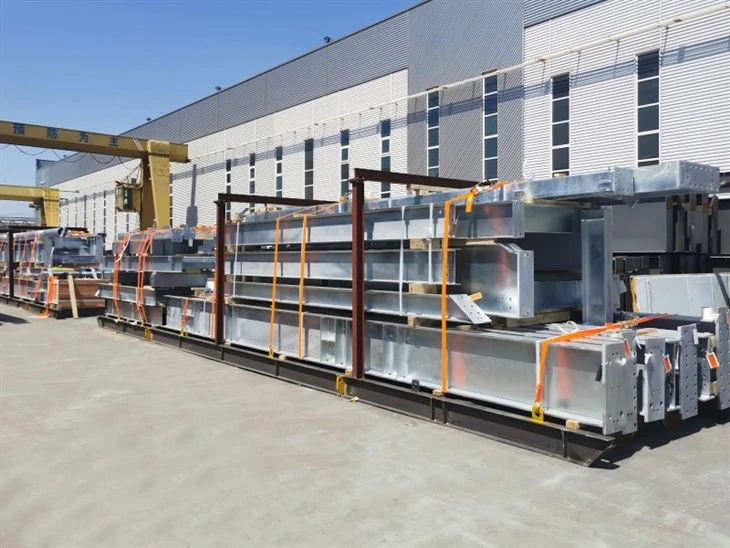
We also need to consider the "stiffness distribution" in the structure. An uneven stiffness distribution can cause the structure to twist or sway in an uncontrolled way during an earthquake. So, we carefully calculate and design the stiffness of different parts of the steel structure to make sure that the seismic forces are evenly distributed.
When it comes to the foundation of the steel structure, it's super important too. The foundation is like the base of the whole building. We need to make sure it can transfer the seismic forces from the structure to the ground safely. For example, we might use deep foundations, like piles, in areas with soft soil to increase the stability of the structure.
Now, let's talk about the role of computer - aided design (CAD) and simulation in anti - earthquake design. With the help of advanced software, we can simulate different earthquake scenarios and see how the steel structure will respond. This allows us to make adjustments to the design before the actual construction starts, saving a lot of time and money.
We can also use real - time monitoring systems during and after the construction of the steel structure. These systems can measure the vibrations, displacements, and stresses in the structure. If there are any signs of abnormal behavior, we can take immediate action to reinforce the structure or make necessary repairs.
In addition to all these technical aspects, we also need to follow the relevant building codes and standards. These codes are developed based on years of research and experience in earthquake engineering. By adhering to these codes, we can ensure that the steel structure meets the minimum safety requirements.
So, if you're in the market for a steel structure, whether it's an industrial steel structure, a structural steel pipe rack, or a hangar steel structure, it's essential to consider the anti - earthquake design. As a steel structure supplier, I've got the expertise and the resources to provide you with high - quality, earthquake - resistant steel structures.
If you're interested in learning more or discussing your specific project needs, I'd love to have a chat with you. Just reach out, and we can start the process of creating the perfect steel structure for you.
References
- "Earthquake - Resistant Design of Steel Structures" by T. Paulay and M. J. N. Priestley
- "Seismic Design of Steel Buildings" published by the American Institute of Steel Construction