

As a supplier of China sandwich panels, I often encounter questions from clients regarding the fire - resistant properties of these panels. In this blog, I'll delve into the science behind the fire resistance of China sandwich panels, share industry insights, and provide real - world examples to help you make an informed decision.

Understanding Sandwich Panels
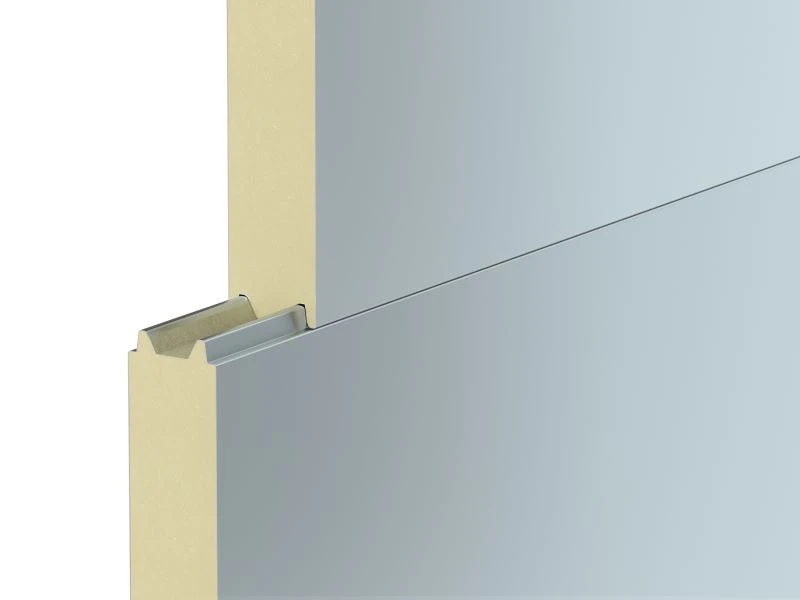
Sandwich panels consist of two outer layers (facings) and an inner core material. The facings are typically made of metal, such as steel or aluminum, while the core can be composed of various materials like polyurethane (PU), polystyrene (EPS), mineral wool, and rock wool. Each core material has different characteristics, including its fire - resistant capabilities.
Fire - Resistant Core Materials
Mineral Wool and Rock Wool
Mineral wool and rock wool are well - known for their excellent fire - resistant properties. These materials are made from natural minerals that are melted and spun into fibers. They have a high melting point, usually above 1000°C. When exposed to fire, mineral wool and rock wool do not burn, melt, or produce toxic gases. Instead, they act as an insulating barrier, slowing down the spread of fire and heat.
China has a large number of manufacturers producing high - quality mineral wool and rock wool core sandwich panels. These panels are widely used in commercial buildings, industrial facilities, and even some residential applications where fire safety is a top priority. For example, in large factories, these panels can be used to separate different production areas, preventing the rapid spread of fire in case of an accident.
Polyurethane (PU) with Fire - Retardant Additives
Polyurethane is a popular core material for sandwich panels due to its excellent insulation properties. However, pure polyurethane is flammable. To enhance its fire resistance, manufacturers in China often add fire - retardant additives. These additives work by either releasing non - flammable gases when heated or forming a char layer on the surface of the material, which acts as a barrier against fire.
When properly formulated with fire - retardant additives, PU core sandwich panels can achieve a certain level of fire resistance. They are commonly used in buildings where a balance between insulation and fire safety is required, such as warehouses and cold storage facilities. You can learn more about cold storage applications by visiting Cold Storage Sandwich Panel.
Polystyrene (EPS) with Fire - Retardant Treatment
Polystyrene is another common core material. Similar to PU, pure EPS is flammable. But with fire - retardant treatment, its fire - resistant performance can be improved. Fire - retardant EPS sandwich panels are often used in low - rise buildings and some temporary structures. However, it's important to note that the fire - retardant effectiveness of EPS can vary depending on the quality of the treatment and the thickness of the panel.
Testing and Certification
In China, sandwich panel manufacturers are required to comply with national fire safety standards. These standards specify the testing methods and performance requirements for fire - resistant sandwich panels. For example, the GB 8624 standard classifies building materials into different fire - resistance grades, including A1 (non - combustible), A2 (non - combustible with limited heat release), B1 (flame - retardant), and B2 (flammable).
Manufacturers conduct various tests on their products, such as the cone calorimeter test, which measures the heat release rate, mass loss rate, and smoke production of the panel when exposed to fire. Only panels that pass these tests can be certified and sold in the market. This strict testing and certification system ensures that the China sandwich panels on the market meet certain fire - safety requirements.
Real - World Applications and Case Studies
Commercial Buildings
In large shopping malls in China, fire - resistant sandwich panels are used in the construction of partition walls and ceilings. For instance, a newly built shopping center in Shanghai used mineral wool core sandwich panels for its internal partitions. During a small fire incident in one of the stores, the panels effectively prevented the fire from spreading to other areas of the mall, minimizing property damage and ensuring the safety of shoppers and staff.
Clean Rooms
Clean rooms require high - quality sandwich panels that not only provide a clean environment but also have good fire - resistant properties. Clean Room Sandwich Panel solutions often use panels with fire - resistant cores like mineral wool. In a pharmaceutical clean room in Beijing, the use of these panels ensured that in case of a fire, the critical production areas would be protected, and the spread of fire and smoke would be controlled.
Factors Affecting Fire Resistance
Panel Thickness
Thicker sandwich panels generally have better fire - resistant performance. A thicker core provides more insulation and takes longer for the fire to penetrate. For example, a 100mm thick mineral wool core sandwich panel will have a longer fire - resistance time compared to a 50mm thick one.
Installation Quality
Proper installation is crucial for the fire - resistant performance of sandwich panels. Gaps between panels or improper sealing can allow fire and smoke to spread. Professional installers follow strict installation guidelines to ensure that the panels are installed tightly and securely, maximizing their fire - resistant capabilities.
Conclusion
In conclusion, China sandwich panels can be fire - resistant, depending on the core material, the presence of fire - retardant additives or treatments, and compliance with national standards. Whether it's mineral wool, PU with fire - retardant additives, or EPS with proper treatment, there are suitable options for different applications.
If you're in the market for sandwich panels and are concerned about fire safety, I encourage you to contact me for more information. We can discuss your specific requirements, including the type of application, fire - resistance level needed, and budget. Let's work together to find the best sandwich panel solution for your project.
References
- GB 8624 - National Standard of the People's Republic of China for Classification of Burning Behavior of Building Materials and Products
- Industry reports on sandwich panel manufacturing in China