

Hey there! I'm a supplier of PU foam sandwich panels, and today I wanna have a chat about whether these panels are resistant to pests. This is a question that a lot of my customers ask, and it's super important when you're thinking about using these panels for your construction projects.
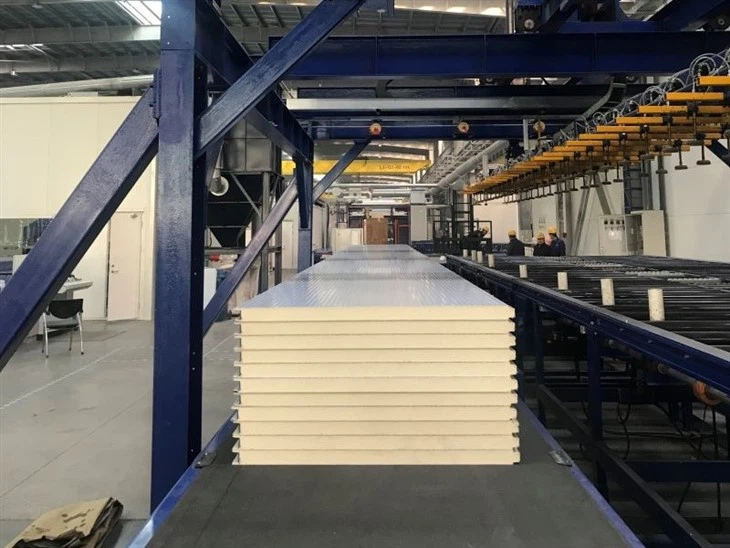
First off, let's understand what a PU foam sandwich panel is. It's basically made up of two outer layers, usually metal sheets, with a core of polyurethane (PU) foam in between. This combination gives the panel some great properties like good insulation, strength, and durability. But when it comes to pests, how does it hold up?
What Attracts Pests?
Before we dig into the pest - resistance of PU foam sandwich panels, we need to know what usually attracts pests in building materials. Pests like insects, rodents, and even some fungi are often drawn to materials that provide them with food, shelter, or a place to breed. For example, wood is a favorite of termites because it's a source of cellulose, which they can digest. Moisture - prone materials can also attract mold and mildew, which in turn can attract other pests.
The Resistance of PU Foam Sandwich Panels
One of the big advantages of PU foam sandwich panels is that they're not very appealing to pests. The PU foam core is a synthetic material, and it doesn't contain the nutrients that pests typically look for. Unlike wood or some natural fibers, there's no cellulose or other organic matter that insects can munch on.
In the case of rodents, they're less likely to chew through a PU foam sandwich panel compared to softer or more porous materials. The outer metal layers provide a hard barrier that's difficult for them to gnaw through. And even if they manage to get to the foam core, it doesn't offer them any real sustenance.
As for fungi and mold, PU foam has relatively low moisture absorption. This means that it's less likely to create a damp environment where mold can grow. Mold growth not only attracts pests but can also damage the structural integrity of the building material. The fact that PU foam resists moisture helps keep mold at bay, further reducing the risk of a pest infestation.
Real - World Performance
I've had many customers who've used our PU foam sandwich panels in different environments, and the feedback has been pretty positive in terms of pest resistance. For instance, in agricultural buildings where there's a higher risk of pest activity, the panels have held up well. Farmers have reported fewer issues with insects and rodents compared to when they used other types of building materials.
In industrial settings, where there might be a lot of dust and debris, the panels haven't shown any signs of pest - related damage. The smooth surface of the metal outer layers makes it difficult for pests to find a place to hide or build nests.

Comparing with Other Sandwich Panels
Let's take a look at how PU foam sandwich panels stack up against other types of sandwich panels when it comes to pest resistance.
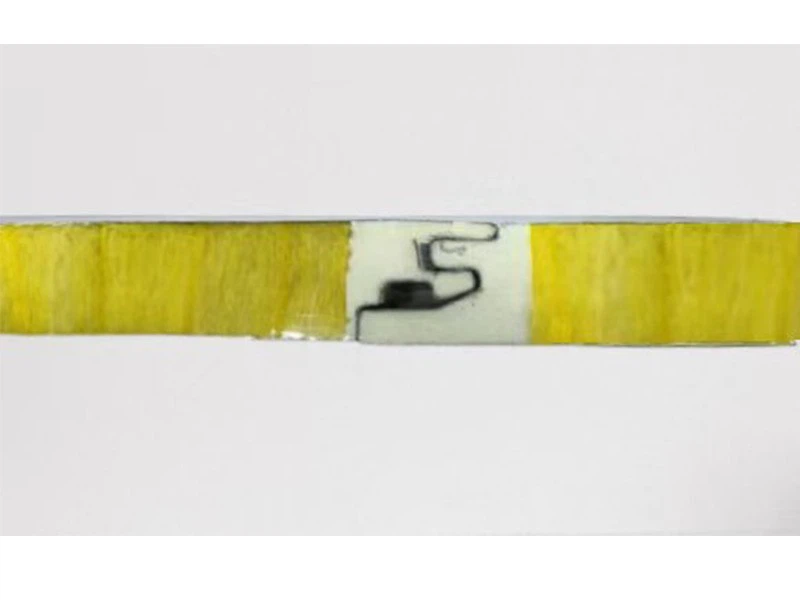
- Glass Wool Sandwich Panel for Wall: Glass wool is a good insulator, but it's more porous than PU foam. This porosity can allow pests like insects to burrow in and create nests. Also, glass wool can absorb moisture more easily, which can lead to mold growth and attract pests. In comparison, PU foam sandwich panels are a better choice for pest - prone areas.
- Fire Rated Rock Wool Sandwich Panel Mineral Wool with PIR Side Sealing: Rock wool is fire - resistant, but it can also be vulnerable to pests. Some pests might find the fibrous structure of rock wool a suitable place to build their homes. Additionally, if the rock wool gets wet, it can support the growth of mold and mildew. PU foam, on the other hand, has better moisture resistance and is less attractive to pests.
- Insulated Metal PIR PU Foam Sandwich Panel: This type of panel combines the benefits of PIR (polyisocyanurate) and PU foam. It offers excellent insulation and is highly resistant to pests. The metal outer layers and the synthetic foam core work together to create a barrier that pests find hard to penetrate.
Maintenance for Optimal Pest Resistance
While PU foam sandwich panels are naturally resistant to pests, there are still some maintenance steps you can take to keep them pest - free.
Regularly inspect the panels for any signs of damage, such as dents or scratches in the outer metal layers. If there's any damage, it could create an entry point for pests. Repair any damaged areas as soon as possible.
Keep the area around the panels clean. Remove any debris, leaves, or standing water. Pests are more likely to be attracted to a dirty environment, so maintaining cleanliness can help prevent infestations.
Conclusion
In conclusion, PU foam sandwich panels are a great choice when it comes to pest resistance. Their synthetic nature, low moisture absorption, and the protective outer metal layers make them unappealing to pests. Compared to other types of sandwich panels, they offer better protection against insects, rodents, and mold.
If you're in the market for a building material that can withstand the test of pests and offer other great benefits like insulation and strength, our PU foam sandwich panels are definitely worth considering. Don't hesitate to reach out if you have any questions or if you're interested in starting a project with us. We're here to help you make the best choice for your construction needs.
References
- Building Materials Handbook: A Guide to Properties, Selection, and Application.
- Pest Management in Construction: Best Practices and Strategies.