

Hey there! As a supplier of prefab metal gym buildings, I've seen a lot of debates about how these structures stack up against traditional brick gym buildings. In this blog, I'm gonna break down the differences, pros, and cons of both, so you can make an informed decision when it comes to building your dream gym.
Cost
Let's start with the biggie - cost. When it comes to building a gym, budget is often a major factor. Prefab metal gym buildings usually come out on top in terms of cost - effectiveness.
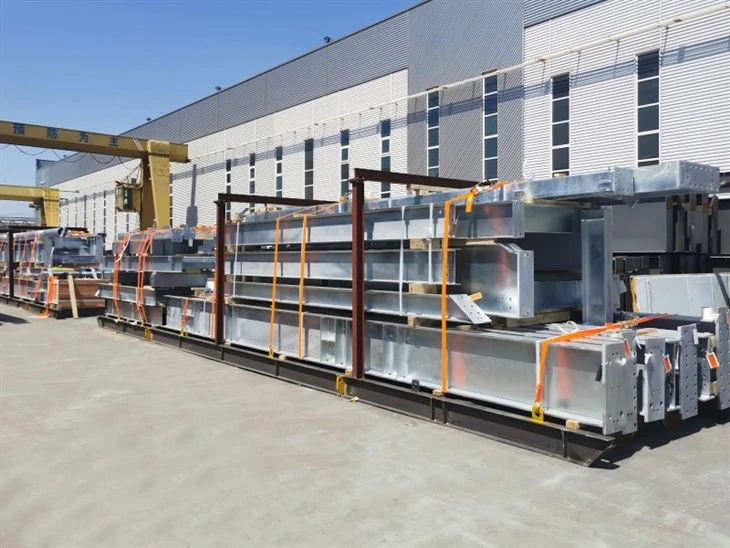
Prefab metal buildings are pre - engineered in a factory. This means that the components are made in a controlled environment, which reduces waste and speeds up the production process. Since they're mass - produced, the cost per square foot is generally lower compared to traditional brick buildings. There are also fewer labor costs involved in assembling a prefab metal gym. You can get a team in to quickly put up the structure, and it doesn't require highly specialized brick - laying skills.
On the other hand, traditional brick buildings are more expensive. The cost of bricks themselves can be quite high, and the labor for bricklaying is both time - consuming and costly. Bricklayers are skilled workers, and their services come at a premium. Plus, the construction process for a brick building takes longer, which means more overhead costs like site supervision and equipment rental.
Construction Time
Time is money, right? Well, prefab metal gym buildings are a real time - saver.
Since the components of a prefab metal building are fabricated in a factory, the on - site construction time is significantly reduced. Once the site is prepared, the metal parts can be quickly assembled. It's like putting together a giant puzzle. You can have a fully functional prefab metal gym up and running in a matter of weeks, depending on the size.
Traditional brick buildings, however, take a lot longer. The bricklaying process is slow and methodical. Each brick has to be carefully placed, and mortar has to dry between layers. Weather can also play a big role in delaying the construction of a brick building. Rain, snow, or extreme heat can halt work, adding even more time to the project.
Durability
Both prefab metal and traditional brick gym buildings are built to last, but they have different durability characteristics.
Prefab metal buildings are incredibly strong and resistant to a variety of natural elements. Metal is not susceptible to rot, termites, or mold, which can be major issues for other building materials. It can withstand high winds, heavy snow loads, and even earthquakes in some cases. Metal buildings can also be designed with special coatings to prevent rust and corrosion, further extending their lifespan. Check out Industrial Steel Structure for more info on the durability of steel structures.
Brick buildings are also known for their durability. Bricks are fire - resistant, which is a huge plus for a gym where there might be a lot of electrical equipment. They can also stand up to the test of time, with some brick buildings lasting for centuries. However, bricks can crack over time due to ground movement or extreme weather conditions, and repairs can be expensive.
Design Flexibility
When it comes to design, both types of buildings have their advantages.
Prefab metal gym buildings offer a high degree of flexibility. The steel frames can be easily customized to fit different layouts and sizes. You can add mezzanines, large windows, or open - concept areas without much hassle. The interior of a prefab metal gym can be easily partitioned or re - arranged in the future if your needs change. You can also check out Hangar Steel Structure to see how steel structures can be designed for different purposes.
Traditional brick buildings have a classic and timeless look. They offer a sense of solidity and permanence. While they may not be as flexible in terms of structural changes, the exterior design of a brick building can be very customizable. You can choose from different types of bricks, colors, and patterns to create a unique look for your gym.
Energy Efficiency
Energy efficiency is becoming more and more important these days, especially for a gym that uses a lot of equipment.
Prefab metal gym buildings can be highly energy - efficient. Modern metal buildings can be insulated with high - performance insulation materials. This helps to keep the gym warm in the winter and cool in the summer, reducing energy costs. Metal roofs can also be designed to reflect sunlight, further reducing the heat absorbed by the building.
Traditional brick buildings have some natural insulation properties. Bricks can absorb and store heat, which can help regulate the temperature inside the building. However, to achieve the same level of energy efficiency as a well - insulated prefab metal building, additional insulation may need to be added, which can increase the cost.
Maintenance
Maintenance is something you need to consider when choosing a building for your gym.
Prefab metal gym buildings are relatively low - maintenance. As mentioned earlier, they're resistant to rot, termites, and mold. You may need to check the metal for signs of rust from time to time and touch up any coatings if necessary, but overall, the maintenance requirements are minimal.
Traditional brick buildings require more maintenance. Bricks can crack or chip, and mortar joints may need to be repointed periodically. Over time, the exterior of a brick building may need to be cleaned to keep it looking its best.
Aesthetics
Aesthetics play a big role in the success of a gym. After all, you want your members to feel comfortable and excited to work out.
Traditional brick buildings have a classic and elegant look. They can give a gym a sense of stability and professionalism. The texture and color of bricks can create a warm and inviting atmosphere.
Prefab metal buildings, on the other hand, have a more modern and industrial look. Some people love this sleek and contemporary aesthetic, while others may prefer the more traditional look of a brick building. However, with the right design and finishes, a prefab metal gym can be just as visually appealing.
Conclusion
So, there you have it - a breakdown of how prefab metal gym buildings compare to traditional brick gym buildings. Each type has its own pros and cons, and the right choice for you depends on your specific needs, budget, and preferences.

If you're looking for a cost - effective, fast - building, and low - maintenance option, a prefab metal gym building might be the way to go. But if you prefer the classic look and feel of a brick building and have the budget and time for it, a traditional brick gym could be perfect.
If you're interested in learning more about prefab metal gym buildings or want to start a procurement discussion, feel free to reach out. We're here to help you make the best decision for your gym project.
References
- General knowledge of construction industry standards and practices.
- Experience in supplying prefab metal gym buildings.