

Wall sandwich panels have gained significant popularity in the construction industry due to their numerous advantages, such as high insulation, lightweight, and ease of installation. As a wall sandwich panel supplier, I often receive inquiries about whether these panels can be used in residential buildings. In this blog post, I will explore the feasibility, benefits, and considerations of using wall sandwich panels in residential construction.
Feasibility of Using Wall Sandwich Panels in Residential Buildings
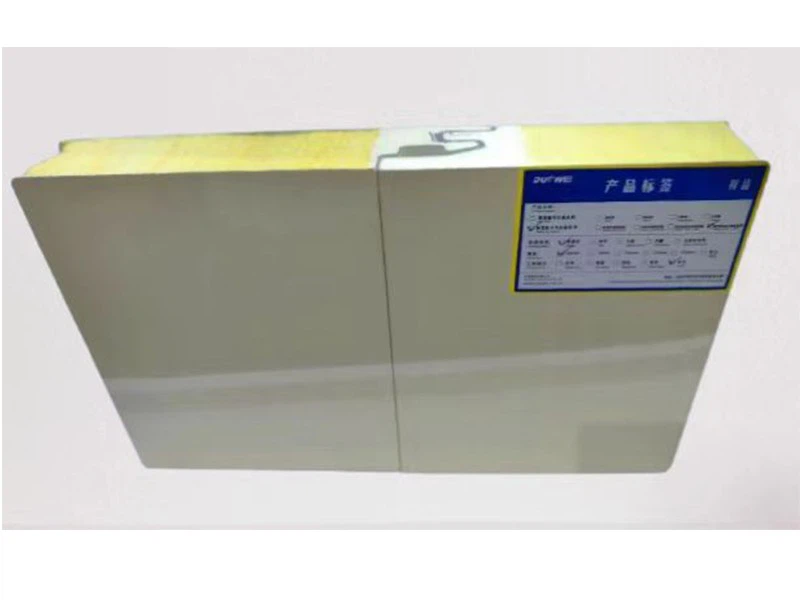
Wall sandwich panels are indeed suitable for residential buildings. Their design consists of two outer layers, typically made of metal, plastic, or wood, and an inner core material, such as insulation foam, mineral wool, or glass wool. This structure provides excellent thermal insulation, soundproofing, and structural stability, making them an ideal choice for residential applications.
One of the key advantages of wall sandwich panels is their high insulation value. In a residential setting, proper insulation is crucial for maintaining a comfortable indoor temperature and reducing energy consumption. The insulation core in sandwich panels helps to prevent heat transfer, keeping the interior warm in winter and cool in summer. This not only enhances the living comfort but also leads to significant savings on energy bills.
Another benefit is the lightweight nature of wall sandwich panels. Compared to traditional building materials like bricks and concrete, sandwich panels are much lighter, which reduces the load on the building's foundation. This can simplify the construction process and potentially lower the overall construction cost. Additionally, the lightweight panels are easier to handle and install, reducing labor time and costs.
Types of Wall Sandwich Panels for Residential Use
There are several types of wall sandwich panels available in the market, each with its own unique features and benefits. Here are some common types that are well-suited for residential buildings:
Fire Rated Rock Wool Sandwich Panel Mineral Wool with PIR Side Sealing
This type of panel combines the excellent fire resistance of rock wool with the added protection of PIR side sealing. Rock wool is a natural insulation material that can withstand high temperatures, making it an ideal choice for enhancing the fire safety of a residential building. The PIR side sealing further improves the panel's insulation performance and prevents the ingress of moisture. You can learn more about this panel Fire Rated Rock Wool Sandwich Panel Mineral Wool with PIR Side Sealing.
Glass Wool Sandwich Panel for Wall
Glass wool is another popular insulation material used in wall sandwich panels. It is known for its excellent thermal and acoustic insulation properties. Glass wool panels are lightweight, easy to install, and offer good resistance to moisture and mold. These panels are a cost-effective option for residential buildings, providing a comfortable and quiet living environment. To find out more about glass wool sandwich panels, visit Glass Wool Sandwich Panel for Wall.
Insulated Metal PIR PU Foam Sandwich Panel
Insulated metal panels with PIR or PU foam cores are widely used in residential construction. PIR and PU foams have high insulation values and excellent structural strength. These panels offer a sleek and modern appearance, making them suitable for both traditional and contemporary residential designs. The metal outer layers provide durability and protection against the elements. For more information on insulated metal PIR PU foam sandwich panels, click Insulated Metal PIR PU Foam Sandwich Panel.
Considerations When Using Wall Sandwich Panels in Residential Buildings
While wall sandwich panels offer many benefits for residential construction, there are also some considerations that need to be taken into account:
Aesthetic Appeal
The appearance of the wall sandwich panels is an important factor to consider, especially in a residential setting. The panels should complement the overall architectural style of the house. Some panels come in a variety of colors and finishes, allowing homeowners to choose the one that best suits their preferences.
Local Building Codes and Regulations
Before using wall sandwich panels in a residential building, it is essential to check the local building codes and regulations. Some areas may have specific requirements regarding the fire resistance, insulation performance, and structural integrity of building materials. Ensuring compliance with these regulations is crucial to avoid any legal issues during the construction process.

Installation Quality
Proper installation is key to ensuring the performance and longevity of wall sandwich panels. It is recommended to hire experienced professionals who are familiar with the installation of sandwich panels. Incorrect installation can lead to issues such as poor insulation, water leakage, and structural problems.
Conclusion
In conclusion, wall sandwich panels can be an excellent choice for residential buildings. They offer numerous benefits, including high insulation, lightweight, and ease of installation. With a variety of panel types available, homeowners can select the one that best meets their specific needs and preferences. However, it is important to consider factors such as aesthetic appeal, local building codes, and installation quality when using sandwich panels in a residential project.
If you are interested in using wall sandwich panels for your residential building, I encourage you to contact us for more information. Our team of experts can provide you with detailed product information, technical support, and assistance in choosing the right panels for your project. We are committed to providing high-quality wall sandwich panels and excellent customer service. Let's work together to create a comfortable and energy-efficient home for you.
References
- Building Construction Handbook, McGraw-Hill Education
- Insulation Materials and Applications, John Wiley & Sons
- Fire Safety in Buildings, National Fire Protection Association