

When it comes to cold storage construction, choosing the right building materials is of utmost importance. One material that has gained significant attention in recent years is the mineral wool sandwich panel. As a trusted mineral wool sandwich panel supplier, I am often asked whether this type of panel can be effectively used in cold storage construction. In this blog post, I will delve into the properties of mineral wool sandwich panels and explore their suitability for cold storage applications.
Understanding Mineral Wool Sandwich Panels
Mineral wool sandwich panels are composite panels consisting of a core material made of mineral wool, which is sandwiched between two metal sheets. Mineral wool is a fibrous material produced from natural minerals such as basalt or diabase. It is known for its excellent thermal insulation, fire resistance, and acoustic properties. The metal sheets on either side of the mineral wool core provide structural strength and protection to the panel.
Thermal Insulation Properties
One of the primary requirements for cold storage construction is effective thermal insulation. Cold storage facilities need to maintain a low temperature to preserve perishable goods, and any heat transfer through the building envelope can lead to increased energy consumption and reduced efficiency. Mineral wool sandwich panels offer excellent thermal insulation properties, thanks to the low thermal conductivity of mineral wool.
The thermal conductivity of a material is a measure of its ability to conduct heat. A lower thermal conductivity value indicates better insulation performance. Mineral wool typically has a thermal conductivity of around 0.03 - 0.04 W/(m·K), which is comparable to other commonly used insulation materials such as polyurethane foam. This means that mineral wool sandwich panels can effectively reduce heat transfer between the inside and outside of the cold storage, helping to maintain a stable temperature and reduce energy costs.
Fire Resistance
Fire safety is another critical consideration in cold storage construction. Cold storage facilities often store large quantities of flammable materials, such as food products and packaging materials. In the event of a fire, it is essential to have a building envelope that can prevent the spread of fire and provide sufficient time for evacuation and fire suppression.
Mineral wool is a non-combustible material, which means it does not burn or support combustion. Mineral wool sandwich panels have excellent fire resistance properties and can provide a high level of fire protection. They are often classified as A1 or A2 fire-rated materials, which are the highest fire safety ratings in many building codes. This makes them an ideal choice for cold storage construction, where fire safety is a top priority.
Acoustic Performance
In addition to thermal insulation and fire resistance, acoustic performance is also an important factor in cold storage construction. Cold storage facilities can be noisy environments, with the operation of refrigeration equipment, forklifts, and other machinery. A good acoustic insulation system can help reduce noise levels inside the cold storage, creating a more comfortable working environment for employees and reducing the impact of noise on surrounding areas.
Mineral wool has excellent acoustic absorption properties, which can help reduce noise transmission through the building envelope. Mineral wool sandwich panels can effectively absorb sound waves, reducing reverberation and echo inside the cold storage. This can lead to a quieter and more comfortable working environment, as well as improved communication between employees.
Structural Strength
Cold storage facilities need to withstand various loads, including wind loads, snow loads, and the weight of the stored goods. The building envelope must have sufficient structural strength to ensure the safety and stability of the structure. Mineral wool sandwich panels are designed to provide excellent structural performance.
The metal sheets on either side of the mineral wool core provide strength and stiffness to the panel. The panels can be fabricated in different thicknesses and configurations to meet the specific structural requirements of the cold storage. They can be used for both wall and roof applications, providing a complete building envelope solution.
Other Considerations
While mineral wool sandwich panels offer many advantages for cold storage construction, there are also some other considerations that need to be taken into account.

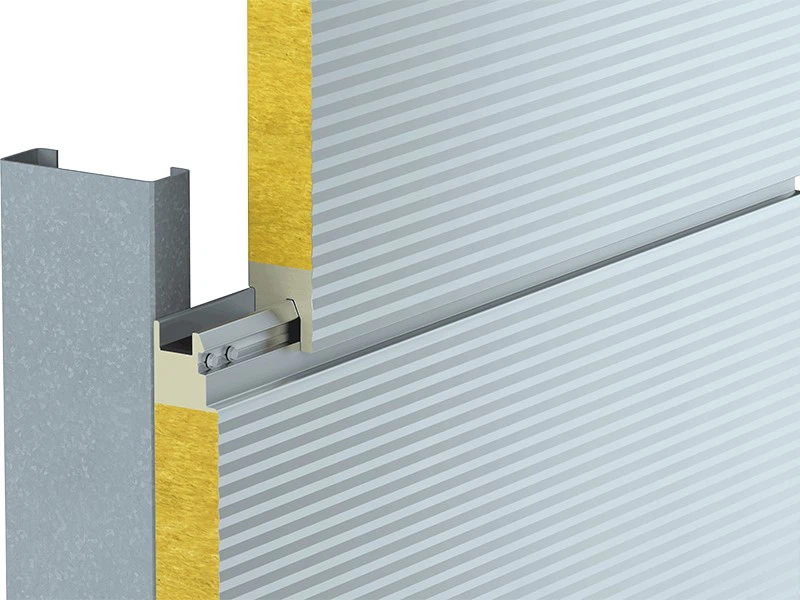
One of the main challenges with mineral wool sandwich panels is moisture management. Mineral wool is a porous material, and if it gets wet, its thermal insulation performance can be significantly reduced. Therefore, it is essential to ensure proper moisture protection during the installation and operation of the cold storage. This can include the use of vapor barriers, proper ventilation, and regular maintenance.
Another consideration is the cost. Mineral wool sandwich panels can be more expensive than some other types of insulation materials. However, when considering the long-term benefits, such as energy savings, fire safety, and acoustic performance, the cost of mineral wool sandwich panels can be justified.
Comparison with Other Types of Sandwich Panels
There are several other types of sandwich panels available on the market, each with its own advantages and disadvantages. Let's compare mineral wool sandwich panels with two other common types of sandwich panels: Insulated Metal PIR PU Foam Sandwich Panel and Glass Wool Sandwich Panel for Wall.
Insulated Metal PIR PU Foam Sandwich Panel: This type of panel uses polyisocyanurate (PIR) or polyurethane (PU) foam as the core material. PIR and PU foams have very low thermal conductivity, which means they offer excellent thermal insulation performance. However, they are combustible materials and require additional fire protection measures. Mineral wool sandwich panels, on the other hand, are non-combustible and provide better fire resistance.
Glass Wool Sandwich Panel for Wall: Glass wool is another type of insulation material that is commonly used in sandwich panels. Glass wool has good thermal insulation and acoustic properties, but it is less fire-resistant than mineral wool. Mineral wool sandwich panels offer better fire protection, making them a more suitable choice for cold storage construction where fire safety is a concern.
Conclusion
In conclusion, mineral wool sandwich panels can be an excellent choice for cold storage construction. They offer excellent thermal insulation, fire resistance, acoustic performance, and structural strength. While there are some challenges associated with moisture management and cost, the long-term benefits of using mineral wool sandwich panels make them a worthwhile investment.
If you are considering using mineral wool sandwich panels for your cold storage project, I encourage you to contact me for more information. I can provide you with detailed product specifications, installation guidance, and pricing options. Our Fire Rated Rock Wool Sandwich Panel Mineral Wool with PIR Side Sealing is specifically designed for applications where high fire safety and thermal insulation are required.
Whether you are building a new cold storage facility or renovating an existing one, we can help you find the right solution for your needs. Let's work together to create a cold storage that is energy-efficient, safe, and comfortable.
References
- Building Materials Handbook, 3rd Edition
- Cold Storage Design and Construction Guidelines
- Fire Safety Standards for Industrial Buildings