

Hey there! I'm a supplier of sandwich panels, and today I wanna chat about whether sandwich panel prices are affected by import and export policies. It's a topic that's been on my mind a lot lately, especially with all the changes in the global trade scene.
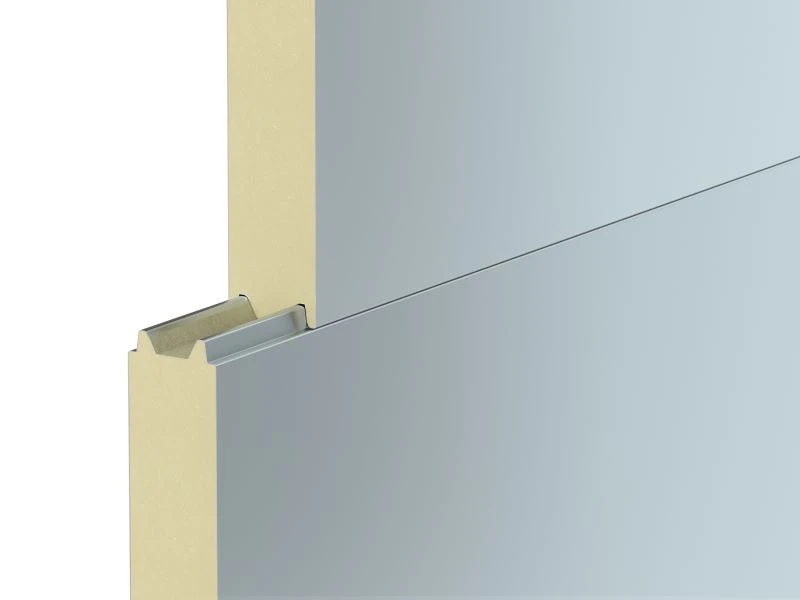
First off, let's talk about what sandwich panels are. They're basically composite materials made up of two outer layers and a core material in between. These panels are super versatile and are used in a bunch of different industries, like construction, cold storage, and clean rooms. For example, if you're looking for a Cold Storage Sandwich Panel, it's designed to keep things cold and maintain a stable temperature. And Clean Room Sandwich Panel are crucial for environments where cleanliness and sterility are a must.
Now, let's get into the nitty - gritty of import and export policies. These policies can have a huge impact on the prices of sandwich panels. One of the most obvious ways is through tariffs. Tariffs are taxes that governments put on imported goods. When a country slaps a high tariff on imported sandwich panels, it makes those panels more expensive for buyers in that country. As a supplier, if I'm trying to export my panels to a country with high tariffs, I either have to absorb some of the cost myself or pass it on to the customer. And you bet that passing it on to the customer means a higher price tag for the sandwich panels.
For instance, let's say I usually sell my panels at a certain price in a market without tariffs. But then the importing country decides to impose a 20% tariff. I've got a choice. I can either take a hit on my profit margin and try to keep the price the same for the customer, or I can increase the price by 20% to cover the tariff. More often than not, I'll have to raise the price, and that's going to make my panels less competitive compared to local products or products from countries that don't face the same tariff.
Another aspect of import and export policies is quotas. Quotas limit the amount of a certain product that can be imported or exported. If there's a quota on sandwich panels in a particular country, it can create a shortage in the market. When there's a shortage, the basic law of supply and demand kicks in. With less supply available, the prices go up. As a supplier, if I'm only allowed to export a limited number of panels to a country, the demand for those panels might be much higher than what I can supply. This imbalance can drive up the price of the panels that do make it into the market.
Exchange rates also play a role, and they're often influenced by import and export policies. When a country has policies that encourage exports, it might try to keep its currency weak. A weak currency makes its exports cheaper for other countries. On the flip side, if a country has policies to protect its domestic industries and limit imports, it might try to strengthen its currency. As a sandwich panel supplier dealing with international trade, fluctuations in exchange rates can really mess with my pricing. If the currency of the importing country gets stronger relative to my home currency, it's good news for me because I can get more money for my panels. But if it gets weaker, I either have to accept less profit or increase the price in the local currency of the importing country.
Now, it's not just about the importing country's policies. My own country's export policies can also affect the price of sandwich panels. If my government offers export subsidies, it can actually make my panels more competitive in the international market. An export subsidy is like a financial incentive from the government. It could be in the form of tax breaks or direct payments to exporters. With a subsidy, I can afford to sell my panels at a lower price in the international market. This can help me gain a larger market share, but it also means that I have to factor in the subsidy when setting my prices.

On the other hand, if my country has strict export regulations, it can increase my production and compliance costs. For example, if there are new environmental or quality control regulations for exporting sandwich panels, I have to invest in new equipment or processes to meet those standards. These additional costs get added to the price of the panels.
So, to sum it up, import and export policies have a major impact on sandwich panel prices. Tariffs, quotas, exchange rates, export subsidies, and domestic export regulations all work together to shape the final price that customers pay for my sandwich panels.
As a supplier, I'm always keeping an eye on these policies. I need to be flexible and adjust my pricing strategies accordingly. Sometimes, I might focus on markets with more favorable policies to keep my prices competitive. Other times, I'll work on improving the quality of my panels so that customers are willing to pay a bit more despite the price increases due to policies.
If you're in the market for sandwich panels, whether it's for a cold storage project or a clean room, I'd love to have a chat with you. I can offer you the best possible prices based on the current market situation and import - export policies. Reach out to me, and we can discuss your specific needs and how I can help you get the right sandwich panels at a fair price.
References
- International Trade Administration: Information on global trade policies and their impact on various industries.
- Economic textbooks on international trade and the theory of supply and demand.